Table of Contents
What is Botox Treatment For Hair?
What is the #1 ingredient to help iron out wrinkles on the face? Botox or botulinum toxin, which is a prescription product used by skin experts and dermatologists worldwide. The need for Botox treatments is growing popular as the years progress since an increasing number of individuals want to try out skin treatments to help them retain their youth.
But did you know Botox can also be used for your hair? While the main ingredient isn’t present in the treatment, it is still termed as ‘hair botox’ to fill in the fibres of your hair making them fuller and smoother.
In the next section, our experts elaborate on what hair botox is and how it can help you.
How Does Hair Botox Work?
If the question ‘what is hair botox’ strikes your mind, let us help you understand how it works. Hair botox is considered to be a deep conditioning treatment for hair that revitalises your locks by making them look more volumized, while nourishing them from the roots. Usually, a filler ingredient is used in the treatment to restore the thickness of your hair. It can be any of the following.
Keratin
Collagen
Vitamins B5 and E
Caviar Oil
BONT-L Peptide
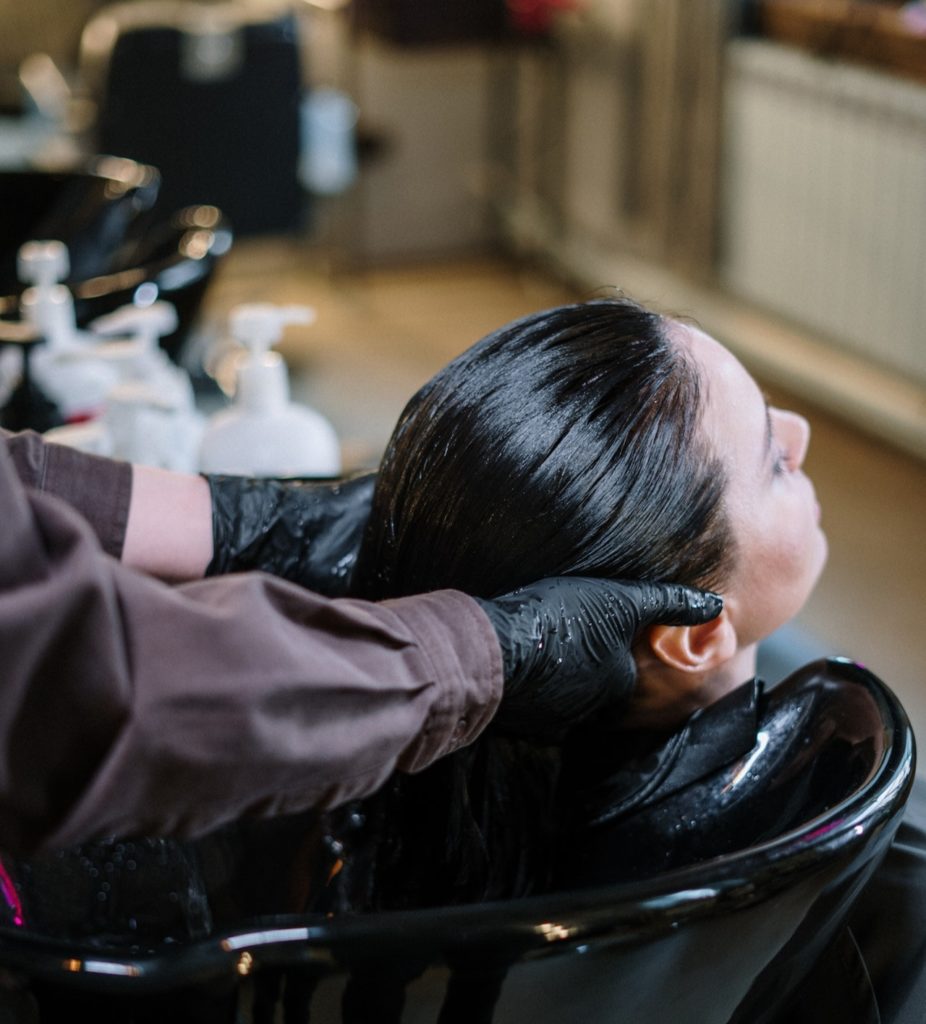
Hair botox treatment is directly applied to your hair strands, the same way you get a hair spa done at the salon. Your hair expert will begin by washing your locks and then apply the hair botox treatment making it sit for a good 60-90 minutes. After that, your hair strands will be dried and straightened out, sealing the ingredients into your cuticles. And voila!
At the Bodycraft clinic, botox can also be injected into the scalp to curb frizz and grease. It helps to reduce the amount of sweat/oils released by the glands. By opting for this method of Hair Botox, you can reduce the chances of frizz in the hair and can go for a longer duration without washing your hair.
With botox treatment for hair you can achieve silky, smooth hair in just one session!
Is Hair Botox Beneficial for you?
Hair Botox can be incredibly beneficial for your hair. Imagine it as a spa day for your tresses. This treatment is enriched with natural ingredients that work together to strengthen, rejuvenate, and revitalize your hair. It helps repair damaged hair, reduces frizz, and leaves your locks smoother and more manageable.
The primary benefit of Hair Botox is its ability to restore and enhance the health and appearance of your hair. It’s particularly advantageous for those with dry, damaged, or frizzy hair. So, if you’re seeking to transform your hair into a lustrous, frizz-free masterpiece, Hair Botox could be your hair’s new best friend.
If you’re wondering what is the hair botox treatment and whether it is meant for you, check out the below-mentioned symptoms.
Split ends
Damaged hair
Frizz and dryness
Hair lacking volume or sheen
Naturally wavy or curly hair
Botox for hair can actually transform your locks by changing their texture in just one sitting. If you want to change the way your hair looks and sport healthy, smooth hair, this treatment is surely worth your time.
Cost of Getting a Hair Botox
Hair Botox costs can vary from salon to salon. If you choose to get a botox treatment for hair at your nearest Bodycraft salon, you can book an appointment or avail an online consultation to understand the procedure and how much it costs.
Look out for other offers that you can use while getting a hair botox treatment at our salon to make the most of your visit.
The Takeaway
Choose a trend for your hair that is being loved by everyone! Hair Botox will give you the results you desire, without damaging your locks. We recommend getting the Hair Botox Treatment done by visiting our clinic.
Our experts can help walk you through the process on your visit. You can also be assured of having only certified hair care products used on your tresses at Bodycraft. After getting the Hair Botox treatment done, our professionals will also recommend some after care products that will help you flaunt your A-game every time.
Key Ingredients Of Hair Botox:
Hair Botox is a popular hair treatment designed to rejuvenate and restore the health of your hair. Its key ingredients include:
- Biotin: Biotin, also known as vitamin H, is vital for hair health. It helps strengthen hair follicles and promotes hair growth.
- Collagen: Collagen is a protein that provides structure to your hair. It can help improve hair texture and reduce frizz.
- Hyaluronic Acid: Hyaluronic acid is a hydrating ingredient. In hair Botox, it helps to moisturize and condition the hair, leaving it soft and shiny.
- Caviar Oil: Caviar oil is rich in omega-3 fatty acids, which nourish and strengthen hair. It also adds shine and reduces breakage.
- Argan Oil: Argan oil is known for its hair-smoothing properties. It helps repair damaged hair and makes it more manageable.
- Vitamins and Antioxidants: Hair Botox often contains various vitamins (like A, C, and E) and antioxidants to nourish and protect the hair from environmental damage.
- Keratin: While not exactly Botox, keratin treatments are often included in the mix. Keratin is a protein that helps strengthen and smooth the hair.
These ingredients work together to provide deep conditioning, reduce frizz, add shine, and improve the overall health and appearance of your hair. It’s a popular choice for those looking to revive dry, damaged, or frizzy hair.
How Does Hair Botox Work?
Hair Botox is a hair treatment designed to rejuvenate and revitalize your hair. Despite its name, it doesn’t contain the same neurotoxin as the cosmetic Botox used in dermatology. Instead, it’s a deep conditioning treatment that works through the following steps:
- Cleansing: Before the treatment begins, your hair will be washed to remove any dirt, oils, or product buildup. This step ensures that the treatment can penetrate the hair shaft effectively.
- Application: The Hair Botox formula is applied evenly to your hair, from root to tip. It’s usually left on for about 45 minutes to an hour. During this time, the ingredients in the formula work to penetrate the hair shaft.
- Heat Activation: Some Hair Botox treatments require heat activation. Your hair is usually covered with a plastic cap, and heat (typically from a hairdryer) is applied. The heat helps to open up the hair cuticles, allowing the treatment to penetrate deeply.
- Rinsing: After the treatment has been on your hair for the appropriate time, it’s rinsed out thoroughly.
- Blow-Dry and Styling: Your hair will be blow-dried and sometimes flat-ironed to lock in the treatment. You’ll immediately notice a difference in the texture and appearance of your hair.
So, how does it work?
- Hydration: Hair Botox is highly moisturizing. It infuses your hair with moisture, helping to hydrate and repair damaged strands.
- Protein Boost: The treatment often contains proteins like keratin, which help to strengthen and repair the hair structure. This can reduce frizz and make your hair more manageable.
- Smoothness: Hair Botox treatments contain ingredients that smooth the hair cuticle. This leads to shinier, smoother hair that’s less prone to breakage.
- Volume and Thickness: Some people find that Hair Botox can make their hair appear thicker and more voluminous.
- Temporary Effect: It’s important to note that the effects of Hair Botox are temporary. Depending on your hair type and how well you maintain it, the results can last anywhere from a few weeks to a few months.
In essence, Hair Botox is like a spa day for your hair. It rejuvenates, adds shine, and improves manageability. It’s especially popular for people with dry, damaged, or frizzy hair, but it can benefit most hair types.
Who Can Use Botox For Hair?
Hair Botox, despite its name, doesn’t actually involve the use of the same neurotoxin that’s used in cosmetic Botox injections for the skin. Instead, it’s a deep conditioning treatment for the hair. As such, it can be used by a wide range of people, depending on their hair type and concerns. Here’s who can typically benefit from Hair Botox:
- Dry and Damaged Hair: Hair Botox is excellent for individuals with dry, damaged, and brittle hair. If your hair has been subjected to frequent styling, heat treatments, chemical processes (like coloring or perming), or environmental damage, Hair Botox can help restore its health and vitality.
- Frizzy Hair: If your hair tends to be frizzy and unmanageable, Hair Botox can provide a smoothing effect. It helps to flatten the hair cuticles, reducing frizz and making your hair look smoother and shinier.
- Dull and Lackluster Hair: For those with hair that has lost its shine and luster, Hair Botox can rejuvenate and add a glossy finish.
- Thin or Fine Hair: Some Hair Botox treatments claim to add volume and thickness to the hair. This can benefit individuals with thin or fine hair, making it appear fuller and more voluminous.
- Chemically Treated Hair: Hair that has undergone chemical treatments like coloring, perming, or straightening can become weakened and brittle. Hair Botox can help restore its strength and elasticity.
- All Hair Types: Hair Botox is generally suitable for all hair types, whether your hair is straight, wavy, curly, or coiled. However, it’s essential to choose the right product or treatment formulation that suits your hair type and concerns.
- Men and Women: Both men and women can use Hair Botox to improve the condition and appearance of their hair.
- Hair Maintenance: Hair Botox can be used as a maintenance treatment to keep your hair healthy and looking its best. It’s not limited to damaged hair; it can also serve as a preventive measure to protect your hair from damage in the first place.
It’s important to note that Hair Botox treatments are temporary. The effects typically last several weeks to a few months, depending on how well you maintain your hair and the specific product used. Always follow the instructions provided by your stylist or the product manufacturer for the best results. If you have specific hair concerns or conditions, consult with a professional stylist to determine if Hair Botox is suitable for you.
Does Hair Botox Straighten Hair?
Hair Botox does not straighten hair in the same way that chemical hair straightening treatments, like relaxers or keratin treatments, do. Hair Botox primarily focuses on improving the overall health and appearance of the hair rather than altering its natural texture or structure.
Here’s how Hair Botox works and why it doesn’t straighten hair:
- Deep Conditioning: Hair Botox is a deep conditioning treatment that nourishes and revitalizes the hair. It contains ingredients like vitamins, proteins, amino acids, and antioxidants that penetrate the hair shaft to repair damage, strengthen the hair, and add moisture. This results in smoother, shinier, and healthier-looking hair.
- Frizz Reduction: While Hair Botox doesn’t straighten hair, it can help reduce frizz and make the hair more manageable. By smoothing the hair cuticles and repairing damage, it can temporarily improve the texture of frizzy or unruly hair, making it appear smoother and sleeker.
- Volume and Body: Some Hair Botox treatments claim to add volume and body to the hair. They can plump up fine or thin hair, giving it a fuller and more voluminous look. However, this effect is achieved without altering the natural curl or wave pattern of the hair.
- Temporary Results: Hair Botox provides temporary results that gradually diminish over time. The treatment typically lasts for several weeks to a few months, depending on factors like hair type, aftercare, and the specific product used. As the treatment wears off, the hair will return to its natural texture.
If you’re looking to permanently straighten your hair, you should consider other hair straightening treatments like chemical relaxers, keratin treatments, or Japanese hair straightening. These treatments chemically alter the hair’s structure to create a straightened effect that can last for several months. However, they come with their own set of considerations and aftercare requirements, so it’s essential to consult with a professional stylist to choose the right option for your hair type and desired outcome.
Does Botox Hair Treatment Recommended For Damaged Hair?
Yes, Botox hair treatment is often recommended for damaged hair. Botox hair treatments are deep conditioning and restorative procedures designed to repair and rejuvenate hair that has been damaged by various factors, such as excessive heat styling, chemical treatments, environmental stressors, or simply hair that is naturally dry and brittle.
Here’s how Botox hair treatments can benefit damaged hair:
- Repairing Damage: Botox hair treatments are formulated with a combination of ingredients like vitamins, amino acids, proteins, and antioxidants. These ingredients work together to repair damage within the hair shaft. They can mend split ends, strengthen weakened hair, and reduce breakage.
- Moisturizing: Damaged hair often lacks moisture, leading to dryness, frizz, and an overall unhealthy appearance. Botox treatments are highly moisturizing and help to restore the hair’s natural moisture balance. This makes the hair softer, smoother, and more manageable.
- Restoring Shine: Damaged hair can look dull and lackluster. Botox hair treatments can restore the hair’s natural shine and vibrancy, leaving it looking healthier and more attractive.
- Reducing Frizz: Botox treatments have a smoothing effect on the hair cuticles, which helps to reduce frizz and make the hair more manageable. This is especially beneficial for damaged hair that tends to be frizzy and unmanageable.
- Enhancing Elasticity: Healthy hair has good elasticity, which means it can stretch and return to its original state without breaking. Botox treatments can improve the elasticity of damaged hair, reducing the risk of further damage during styling or combing.
- Temporary Results: It’s important to note that the results of a Botox hair treatment are temporary. Depending on factors like hair type, aftercare, and the specific product used, the effects typically last for several weeks to a few months. Regular maintenance treatments may be required to sustain the benefits.
While Botox hair treatments can be highly effective for damaged hair, it’s advisable to consult with a professional stylist or hair care expert to determine the most suitable treatment for your specific hair needs. They can assess the extent of damage and recommend the appropriate products and procedures to help restore and maintain healthy-looking hair.
Does Botox For Hair Contain Botox?
No, Botox for hair does not contain the same botulinum toxin that is used in cosmetic procedures like Botox injections for wrinkles. The term “Botox for hair” is a bit misleading and is not related to the use of actual Botox.
Botox for hair is a cosmetic hair treatment that primarily aims to repair and rejuvenate damaged hair rather than paralyze muscles as Botox injections do. It is a deep conditioning and revitalizing treatment that typically contains a mixture of ingredients such as:
- Hydrolyzed Keratin: This is a protein that helps to strengthen and repair the hair shaft. It can fill in gaps in the hair’s cuticle, making it smoother and more resilient.
- Collagen: Collagen can improve hair’s elasticity and suppleness. It helps to reduce breakage and restore hair’s natural bounce.
- Vitamins and Antioxidants: These ingredients nourish the hair and protect it from further damage. Vitamins like B5 (panthenol) and E are commonly found in Botox hair treatments.
- Amino Acids: Amino acids are the building blocks of protein, which is what hair is primarily made of. They help to repair and strengthen the hair structure.
- Hydrating Agents: Ingredients like glycerin or hyaluronic acid are often included to provide deep hydration to dry and damaged hair.
- Silicones: These can add shine and smoothness to the hair’s surface, reducing frizz and making it easier to style.
The term “Botox” in the context of hair treatments is more of a marketing term used to describe the smoothing, rejuvenating, and repairing effects of these products. It does not involve the use of the botulinum toxin that is associated with cosmetic Botox injections.
In summary, Botox for hair contains a blend of hair-nourishing and repairing ingredients that work together to improve the condition, appearance, and manageability of the hair. It is a cosmetic treatment aimed at enhancing the health and beauty of the hair, not at altering muscle function or reducing wrinkles as in traditional Botox treatments.
A Closer Look at the Botox Hair Treatment for Damaged Hair.
The Botox hair treatment, often referred to as “hair Botox,” is a specialized and intensive hair treatment designed to repair and rejuvenate damaged hair. Despite its name, it does not contain the botulinum toxin used in cosmetic procedures but is named so due to the rejuvenating effects it has on the hair. Here’s a closer look at the Botox hair treatment for damaged hair:
- Repair and Rejuvenation: Botox for hair is a deep conditioning treatment that aims to repair and restore the hair’s health and vitality. It is particularly effective for hair that has been damaged by heat styling, chemical treatments, or environmental factors.
- Smoothing and Frizz Reduction: One of the primary benefits of a Botox hair treatment is its ability to smooth the hair’s cuticle, reducing frizz and making the hair more manageable. This smoothing effect can last for several weeks, depending on the specific product used and how well you maintain your hair.
- Ingredients: Botox hair treatments typically contain a combination of ingredients that nourish and strengthen the hair. These ingredients may include hydrolyzed keratin, collagen, amino acids, vitamins, and hydrating agents. Each of these components plays a role in repairing and rejuvenating the hair.
- Restores Elasticity: Damaged hair often loses its elasticity and becomes brittle. Botox hair treatments can help restore the hair’s elasticity, making it less prone to breakage and damage.
- Adds Shine: Many Botox treatments include silicones or other ingredients that can add a healthy shine to the hair, enhancing its overall appearance.
- Customizable: Botox hair treatments can be customized to address specific hair concerns. Whether you have dry, damaged, or frizzy hair, a skilled stylist can tailor the treatment to meet your needs.
- Longevity: The effects of a Botox hair treatment can last for several weeks to a few months, depending on the product used and how well you care for your hair post-treatment. Regular touch-ups can help maintain the results.
- Non-Invasive: Unlike some other hair treatments like chemical straightening or perms, Botox hair treatments are non-invasive and do not alter the hair’s natural structure. They work by improving the health of the hair rather than permanently changing its texture.
In summary, a Botox hair treatment is an excellent option for individuals with damaged or frizzy hair seeking to restore its health and appearance. It’s a non-invasive, customizable, and effective way to address common hair concerns, and the results can be quite impressive, leaving your hair smoother, shinier, and more manageable. However, it’s essential to have the treatment done by a trained and experienced stylist for the best results.
You Might Also Like:
- New Small Camera Review: Pricing is Not Always the Only Criteria
- How Can Influencers Show Glamour and Class Selling on Instagram
- Mobile Marketing is the Future of E-Commerce, Real-World Study Finds
- Social Networks Advertising is Important the Future Of Marketing
- Television is in Steep Decline Compared to Social Network Marketing
What Happens During Application?
The application of a Botox hair treatment is a multi-step process that involves the careful application of a specialized product to repair and rejuvenate the hair. Here’s what typically happens during the application of a Botox hair treatment:
- Consultation: The process usually begins with a consultation between you and a trained hairstylist or haircare professional. During this consultation, you can discuss your specific hair concerns and goals. The stylist will assess the condition of your hair to determine the most suitable treatment.
- Hair Preparation: Before applying the Botox treatment, your hair will be washed thoroughly with a clarifying shampoo to remove any product buildup, dirt, or oils. It’s essential to start with clean hair to allow the treatment to penetrate effectively.
- Sectioning: Your hair will be sectioned into smaller, manageable portions to ensure even distribution of the Botox treatment. This step allows the product to reach all parts of your hair, from roots to tips.
- Application: The Botox treatment product is then applied generously to each hair section. The stylist will use a brush or applicator to ensure that the product coats each strand thoroughly. It’s important to apply the treatment evenly to achieve consistent results.
- Processing Time: After the application, the product needs time to work its magic. You’ll typically be asked to sit under a hooded dryer or use a heat source like a hair steamer to help the treatment penetrate the hair shaft. The processing time can vary depending on the specific product used but usually lasts around 30 to 45 minutes.
- Rinse and Shampoo: Once the processing time is complete, your hair will be rinsed thoroughly to remove the excess product. This is followed by shampooing and conditioning your hair. Some Botox treatments include a special shampoo and conditioner formulated to enhance and maintain the results.
- Blow-Dry and Style: After the treatment is rinsed and conditioned, your stylist will blow-dry your hair and may also style it according to your preferences. You’ll immediately notice the smoothing and rejuvenating effects of the treatment, with your hair looking shinier, smoother, and more manageable.
- Aftercare Recommendations: Your stylist will likely provide you with aftercare instructions to help you maintain the results of the Botox hair treatment. This may include using sulfate-free shampoos and conditioners, avoiding excessive heat styling, and scheduling periodic touch-up treatments to prolong the effects.
It’s important to note that the specific steps and products used during a Botox hair treatment may vary depending on the brand and formulation chosen by your stylist. Additionally, the longevity of the treatment’s effects can vary, so it’s advisable to follow your stylist’s recommendations for maintaining healthy and beautiful hair.
How Much Does Hair Botox Cost?
The cost of a hair Botox treatment can vary widely depending on several factors, including your location, the salon or spa you visit, the brand of the Botox product used, the length and thickness of your hair, and any additional services included in the treatment package. Here’s a breakdown of these factors and their impact on the cost:
- Location: The cost of beauty and hair treatments often varies by region. Prices tend to be higher in large metropolitan areas and lower in smaller towns or rural areas. For example, you can expect higher prices in New York City compared to a small town in the Midwest.
- Salon or Spa: Different salons and spas set their pricing based on various factors, including their reputation, clientele, and overhead costs. High-end salons may charge more for the same treatment than a local salon.
- Botox Brand: There are various brands of Botox hair treatment products available, each with its pricing structure. Some are considered more premium or high-end, and their products may come at a higher cost. Others offer more budget-friendly options.
- Hair Length and Thickness: The length and thickness of your hair can significantly impact the cost. Longer and thicker hair requires more product and time to complete the treatment, which may result in higher charges.
- Additional Services: Some salons may include additional services in their Botox hair treatment packages, such as a haircut, styling, or deep conditioning. These added services can increase the overall cost but may offer better value.
- Stylist’s Experience: If you’re working with an experienced stylist or haircare professional who specializes in Botox treatments, you may pay more for their expertise.
To provide a rough estimate, the cost of a basic hair Botox treatment can range from $100 to $300 or more. However, this is just a general guideline, and prices can fall outside this range. It’s essential to consult with your chosen salon or stylist for a precise cost estimate based on your hair’s specific needs and the services included.
Keep in mind that Botox hair treatments are considered semi-permanent, and the results can last for several weeks to a few months, depending on factors like your hair type and maintenance. Some individuals opt for touch-up treatments to maintain the effects, which will incur additional costs.
Additionally, consider the quality of the products and services when making your decision. Cheaper treatments may not yield the same results or longevity as higher-priced options, so it’s essential to balance cost with the desired outcome for your hair.
How Effective Is Hair Botox?
The effectiveness of hair Botox can vary from person to person, depending on individual hair type, condition, and the specific product used. Hair Botox is generally considered effective for addressing several common hair issues, but its results may not be permanent, and they can vary based on maintenance and hair care practices. Here’s a breakdown of its effectiveness:
- Smoothing and Reducing Frizz: Hair Botox is effective at smoothing frizzy and unruly hair. It can help reduce frizz, making the hair look shinier and more manageable. This effect is particularly noticeable for individuals with curly or wavy hair prone to frizz.
- Restoring Moisture: Hair Botox treatments often contain ingredients that help restore moisture to the hair. This can be especially beneficial for dry and damaged hair, as it can improve overall hair texture and make it feel softer and more hydrated.
- Volume Reduction: For those with overly voluminous hair, Botox treatments can reduce volume and make the hair appear more controlled and sleek.
- Enhancing Shine: Hair Botox can enhance the natural shine of the hair, leaving it looking healthier and more vibrant.
- Temporary Results: It’s important to note that the effects of hair Botox are temporary. Depending on the specific product used and individual hair care practices, the results can last for several weeks to a few months. However, they will gradually fade, and the hair will return to its previous state. To maintain the results, individuals often opt for touch-up treatments.
- Hair Type Matters: The effectiveness of hair Botox can also depend on your hair type. Individuals with severely damaged or extremely curly hair may experience more noticeable improvements compared to those with already healthy hair.
- Maintenance: Proper hair care and maintenance are crucial for maximizing the effectiveness and longevity of hair Botox treatments. Using sulfate-free shampoos, avoiding excessive heat styling, and following a good hair care routine can help extend the results.
- Not a Straightening Treatment: It’s important to clarify that hair Botox is not a hair straightening treatment like chemical hair straightening or keratin treatments. While it can reduce frizz and make the hair more manageable, it does not permanently straighten the hair.
Overall, the effectiveness of hair Botox largely depends on your specific hair needs and expectations. It can be a valuable treatment for individuals looking to improve the condition and appearance of their hair temporarily. To achieve the best results, consult with a professional stylist or haircare expert who can assess your hair and recommend the most suitable Botox treatment for your needs.
Is Hair Botox Safe?
Hair Botox is generally considered safe when applied by a trained and experienced professional in a controlled salon or spa environment. However, like any cosmetic or hair treatment, there are potential risks and considerations to keep in mind:
- Quality of the Product: The safety and effectiveness of Hair Botox largely depend on the quality of the product used. It’s essential to use a reputable brand and product that complies with safety standards. Low-quality or counterfeit products may pose risks to your hair and scalp.
- Allergic Reactions: Although rare, some individuals may be allergic to specific ingredients in Hair Botox products. To mitigate this risk, it’s advisable to do a patch test before the full treatment to check for any adverse reactions.
- Irritation: Some people may experience scalp or skin irritation during or after the treatment. This can be due to sensitivity to the product or improper application. It’s crucial to communicate any discomfort with your stylist during the treatment.
- Inexperienced Application: If administered by an inexperienced or untrained person, Hair Botox could lead to uneven results or damage to the hair. Always choose a reputable salon or stylist who specializes in Hair Botox treatments.
- Temporary Nature: Hair Botox is not a permanent solution. The effects typically last for several weeks to a few months, and they gradually fade. If you’re seeking a long-term solution, other treatments like keratin treatments or chemical straightening might be more suitable.
- Maintenance: To maintain the results of Hair Botox, you may need periodic touch-up treatments. This can add to the overall cost and time commitment of the treatment.
- Hair Type: The effectiveness and safety of Hair Botox can vary based on your hair type and condition. While it can be highly beneficial for some, it may not be suitable for all hair types.
- Chemical Interactions: If you have previously treated your hair with chemicals like hair dyes or relaxers, it’s essential to inform your stylist. Some chemicals may interact negatively with Hair Botox products.
To ensure the safety of your Hair Botox treatment, consider the following precautions:
- Research and choose a reputable salon or stylist with experience in Hair Botox treatments.
- Request a patch test to check for allergies or sensitivities to the product.
- Communicate any prior chemical treatments or scalp issues with your stylist.
- Follow the aftercare instructions provided by your stylist to maximize the longevity of the treatment.
Ultimately, when performed correctly and with high-quality products, Hair Botox can be a safe and effective way to improve the condition and appearance of your hair. If you have concerns or questions about the treatment, consult with a professional stylist who can provide personalized guidance based on your hair’s unique needs.
Hair Botox Vs. Keratin Treatment
Hair Botox and Keratin Treatment are two popular hair treatments that aim to improve the condition, appearance, and manageability of hair. While they share some similarities, they also have distinct differences:
Hair Botox:
- Objective: Hair Botox is primarily designed to repair and rejuvenate damaged or unhealthy hair. It’s like a “facial” for your hair, aiming to restore its health, shine, and manageability.
- Treatment Process: During a Hair Botox treatment, a specially formulated product is applied to the hair, which typically contains ingredients like proteins, amino acids, vitamins, and sometimes argan oil. This product is left on the hair for a specific period and then rinsed out.
- How It Works: The active ingredients in Hair Botox products work to fill in gaps and cracks in the hair shaft, much like how Botox injections can fill in wrinkles. This helps to smooth the hair, reduce frizz, and improve overall texture and shine.
- Results: Hair Botox results are generally immediate and can last for several weeks to a few months. It’s an excellent option for individuals looking to improve the health and appearance of their hair without making it completely straight.
- Hair Type: Hair Botox is suitable for all hair types, including curly, wavy, and straight hair. It can benefit anyone looking to repair and rejuvenate their hair.
Keratin Treatment:
- Objective: Keratin treatments are primarily designed to straighten hair, reduce frizz, and make it more manageable. While they can also improve hair health, their primary focus is on achieving a sleek, straight look.
- Treatment Process: During a keratin treatment, a product containing keratin (a protein naturally found in hair) is applied to the hair. The hair is then flat-ironed to seal in the product. The treatment locks the hair into a straighter position.
- How It Works: Keratin treatments work by coating the hair shaft with a layer of keratin, which can fill in gaps and smooth the hair. The heat from the flat iron helps to seal this layer, resulting in straighter, smoother hair.
- Results: Keratin treatment results can last for several weeks to a few months, gradually fading as the hair returns to its natural state. These treatments are ideal for individuals seeking long-lasting straightness and manageability.
- Hair Type: Keratin treatments are best suited for individuals with frizzy, curly, or wavy hair who desire straighter locks. They may not be necessary or suitable for those with already straight hair.
In Summary:
- Hair Botox is primarily focused on hair repair and rejuvenation, improving overall hair health and manageability. It’s suitable for all hair types.
- Keratin Treatment is primarily aimed at straightening hair and reducing frizz. While it can also improve hair health, its main goal is achieving a straighter look. It’s best for those with curly or frizzy hair.
The choice between Hair Botox and Keratin Treatment depends on your hair goals. If you want healthier, more manageable hair with some frizz reduction, Hair Botox is a good choice. If you want straighter hair and are willing to trade off some natural curl or wave, a Keratin Treatment may be more suitable. Consulting with a professional stylist can help you make the right decision based on your hair type and preferences.
Final Verdict:
In conclusion, both Hair Botox and Keratin Treatments offer compelling benefits for individuals seeking to enhance the health and appearance of their hair. The choice between the two ultimately boils down to your specific hair goals and preferences.
Hair Botox shines as a versatile solution suitable for all hair types. It excels in repairing and rejuvenating damaged or unhealthy hair, providing immediate results in terms of improved texture, shine, and manageability. If you’re looking to maintain your hair’s natural curl or wave while boosting its overall health, Hair Botox is an excellent choice.
Keratin Treatments, on the other hand, are designed primarily for individuals who desire straighter, more manageable hair. While they can also improve hair health, their focus is on achieving a sleek, straight look. These treatments are particularly beneficial for those with frizzy or curly hair seeking longer-lasting results in the realm of straightness and frizz reduction.
Ultimately, the choice between Hair Botox and Keratin Treatment depends on your hair type and your specific goals. If you value hair health, versatility, and maintaining your natural texture, Hair Botox is the way to go. If you prioritize straightness and are willing to compromise some natural curl or wave, a Keratin Treatment might be the better fit.
Before making a decision, it’s wise to consult with a professional hairstylist who can assess your hair type and provide personalized recommendations. Regardless of your choice, both treatments have the potential to transform your hair and boost your confidence in your locks’ health and appearance.