Author: Nazarahmed Khan

  • Exploring The Wonders Of Hair Botox | The Beauty Transformation

    Exploring The Wonders Of Hair Botox | The Beauty Transformation

    Exploring The Wonders Of Hair Botox

    What is Botox Treatment For Hair?

    What is the #1 ingredient to help iron out wrinkles on the face? Botox or botulinum toxin, which is a prescription product used by skin experts and dermatologists worldwide. The need for Botox treatments is growing popular as the years progress since an increasing number of individuals want to try out skin treatments to help them retain their youth.

    But did you know Botox can also be used for your hair? While the main ingredient isn’t present in the treatment, it is still termed as ‘hair botox’ to fill in the fibres of your hair making them fuller and smoother.

    In the next section, our experts elaborate on what hair botox is and how it can help you.

    How Does Hair Botox Work?

    If the question ‘what is hair botox’ strikes your mind, let us help you understand how it works. Hair botox is considered to be a deep conditioning treatment for hair that revitalises your locks by making them look more volumized, while nourishing them from the roots. Usually, a filler ingredient is used in the treatment to restore the thickness of your hair. It can be any of the following.

    Keratin
    Collagen
    Vitamins B5 and E
    Caviar Oil
    BONT-L Peptide

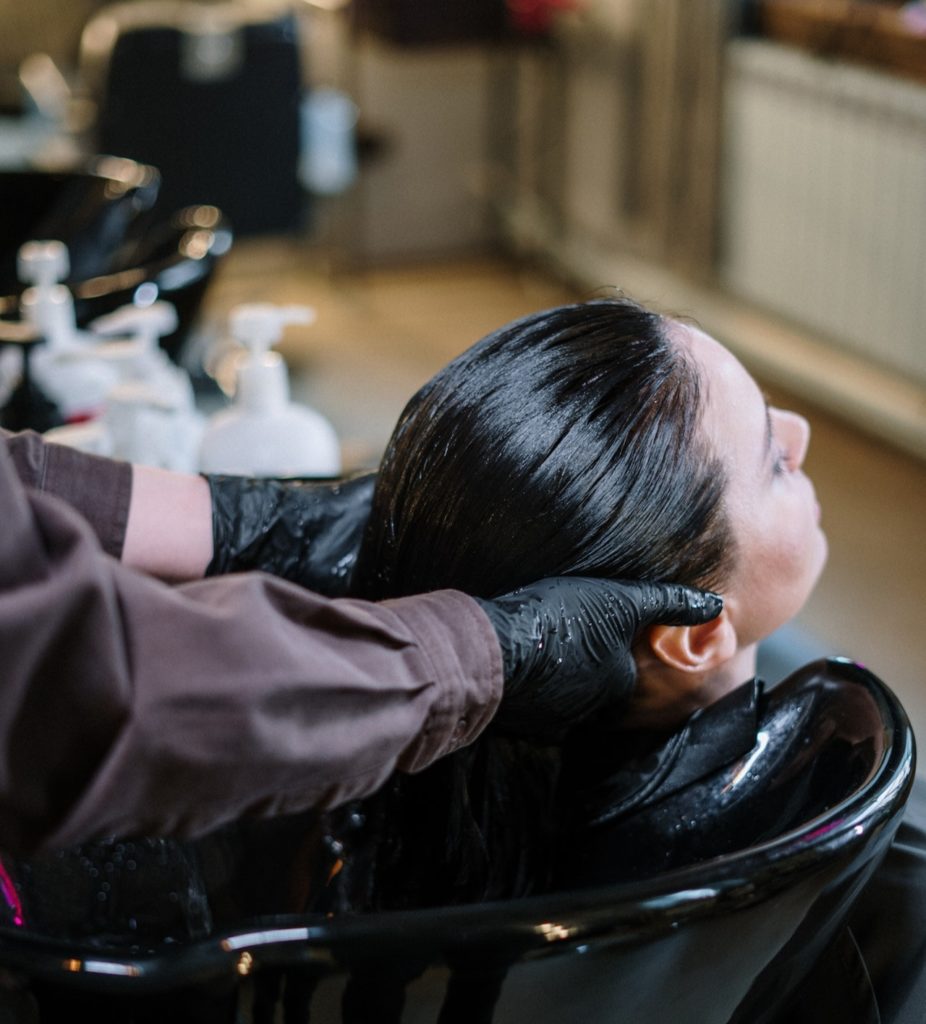
    Hair botox treatment is directly applied to your hair strands, the same way you get a hair spa done at the salon. Your hair expert will begin by washing your locks and then apply the hair botox treatment making it sit for a good 60-90 minutes. After that, your hair strands will be dried and straightened out, sealing the ingredients into your cuticles. And voila!

    At the Bodycraft clinic, botox can also be injected into the scalp to curb frizz and grease. It helps to reduce the amount of sweat/oils released by the glands. By opting for this method of Hair Botox, you can reduce the chances of frizz in the hair and can go for a longer duration without washing your hair.

    With botox treatment for hair you can achieve silky, smooth hair in just one session!

    Is Hair Botox Beneficial for you?

    Hair Botox can be incredibly beneficial for your hair. Imagine it as a spa day for your tresses. This treatment is enriched with natural ingredients that work together to strengthen, rejuvenate, and revitalize your hair. It helps repair damaged hair, reduces frizz, and leaves your locks smoother and more manageable.

    The primary benefit of Hair Botox is its ability to restore and enhance the health and appearance of your hair. It’s particularly advantageous for those with dry, damaged, or frizzy hair. So, if you’re seeking to transform your hair into a lustrous, frizz-free masterpiece, Hair Botox could be your hair’s new best friend.

    If you’re wondering what is the hair botox treatment and whether it is meant for you, check out the below-mentioned symptoms.

    Split ends
    Damaged hair
    Frizz and dryness
    Hair lacking volume or sheen
    Naturally wavy or curly hair
    Botox for hair can actually transform your locks by changing their texture in just one sitting. If you want to change the way your hair looks and sport healthy, smooth hair, this treatment is surely worth your time.

    Cost of Getting a Hair Botox
    Hair Botox costs can vary from salon to salon. If you choose to get a botox treatment for hair at your nearest Bodycraft salon, you can book an appointment or avail an online consultation to understand the procedure and how much it costs.

    Look out for other offers that you can use while getting a hair botox treatment at our salon to make the most of your visit.

    The Takeaway
    Choose a trend for your hair that is being loved by everyone! Hair Botox will give you the results you desire, without damaging your locks. We recommend getting the Hair Botox Treatment done by visiting our clinic.

    Our experts can help walk you through the process on your visit. You can also be assured of having only certified hair care products used on your tresses at Bodycraft. After getting the Hair Botox treatment done, our professionals will also recommend some after care products that will help you flaunt your A-game every time.

    Key Ingredients Of Hair Botox:

    Hair Botox is a popular hair treatment designed to rejuvenate and restore the health of your hair. Its key ingredients include:

    1. Biotin: Biotin, also known as vitamin H, is vital for hair health. It helps strengthen hair follicles and promotes hair growth.
    2. Collagen: Collagen is a protein that provides structure to your hair. It can help improve hair texture and reduce frizz.
    3. Hyaluronic Acid: Hyaluronic acid is a hydrating ingredient. In hair Botox, it helps to moisturize and condition the hair, leaving it soft and shiny.
    4. Caviar Oil: Caviar oil is rich in omega-3 fatty acids, which nourish and strengthen hair. It also adds shine and reduces breakage.
    5. Argan Oil: Argan oil is known for its hair-smoothing properties. It helps repair damaged hair and makes it more manageable.
    6. Vitamins and Antioxidants: Hair Botox often contains various vitamins (like A, C, and E) and antioxidants to nourish and protect the hair from environmental damage.
    7. Keratin: While not exactly Botox, keratin treatments are often included in the mix. Keratin is a protein that helps strengthen and smooth the hair.

    These ingredients work together to provide deep conditioning, reduce frizz, add shine, and improve the overall health and appearance of your hair. It’s a popular choice for those looking to revive dry, damaged, or frizzy hair.

    How Does Hair Botox Work?

    Hair Botox is a hair treatment designed to rejuvenate and revitalize your hair. Despite its name, it doesn’t contain the same neurotoxin as the cosmetic Botox used in dermatology. Instead, it’s a deep conditioning treatment that works through the following steps:

    1. Cleansing: Before the treatment begins, your hair will be washed to remove any dirt, oils, or product buildup. This step ensures that the treatment can penetrate the hair shaft effectively.
    2. Application: The Hair Botox formula is applied evenly to your hair, from root to tip. It’s usually left on for about 45 minutes to an hour. During this time, the ingredients in the formula work to penetrate the hair shaft.
    3. Heat Activation: Some Hair Botox treatments require heat activation. Your hair is usually covered with a plastic cap, and heat (typically from a hairdryer) is applied. The heat helps to open up the hair cuticles, allowing the treatment to penetrate deeply.
    4. Rinsing: After the treatment has been on your hair for the appropriate time, it’s rinsed out thoroughly.
    5. Blow-Dry and Styling: Your hair will be blow-dried and sometimes flat-ironed to lock in the treatment. You’ll immediately notice a difference in the texture and appearance of your hair.

    So, how does it work?

    • Hydration: Hair Botox is highly moisturizing. It infuses your hair with moisture, helping to hydrate and repair damaged strands.
    • Protein Boost: The treatment often contains proteins like keratin, which help to strengthen and repair the hair structure. This can reduce frizz and make your hair more manageable.
    • Smoothness: Hair Botox treatments contain ingredients that smooth the hair cuticle. This leads to shinier, smoother hair that’s less prone to breakage.
    • Volume and Thickness: Some people find that Hair Botox can make their hair appear thicker and more voluminous.
    • Temporary Effect: It’s important to note that the effects of Hair Botox are temporary. Depending on your hair type and how well you maintain it, the results can last anywhere from a few weeks to a few months.

    In essence, Hair Botox is like a spa day for your hair. It rejuvenates, adds shine, and improves manageability. It’s especially popular for people with dry, damaged, or frizzy hair, but it can benefit most hair types.

    Who Can Use Botox For Hair?

    Hair Botox, despite its name, doesn’t actually involve the use of the same neurotoxin that’s used in cosmetic Botox injections for the skin. Instead, it’s a deep conditioning treatment for the hair. As such, it can be used by a wide range of people, depending on their hair type and concerns. Here’s who can typically benefit from Hair Botox:

    1. Dry and Damaged Hair: Hair Botox is excellent for individuals with dry, damaged, and brittle hair. If your hair has been subjected to frequent styling, heat treatments, chemical processes (like coloring or perming), or environmental damage, Hair Botox can help restore its health and vitality.
    2. Frizzy Hair: If your hair tends to be frizzy and unmanageable, Hair Botox can provide a smoothing effect. It helps to flatten the hair cuticles, reducing frizz and making your hair look smoother and shinier.
    3. Dull and Lackluster Hair: For those with hair that has lost its shine and luster, Hair Botox can rejuvenate and add a glossy finish.
    4. Thin or Fine Hair: Some Hair Botox treatments claim to add volume and thickness to the hair. This can benefit individuals with thin or fine hair, making it appear fuller and more voluminous.
    5. Chemically Treated Hair: Hair that has undergone chemical treatments like coloring, perming, or straightening can become weakened and brittle. Hair Botox can help restore its strength and elasticity.
    6. All Hair Types: Hair Botox is generally suitable for all hair types, whether your hair is straight, wavy, curly, or coiled. However, it’s essential to choose the right product or treatment formulation that suits your hair type and concerns.
    7. Men and Women: Both men and women can use Hair Botox to improve the condition and appearance of their hair.
    8. Hair Maintenance: Hair Botox can be used as a maintenance treatment to keep your hair healthy and looking its best. It’s not limited to damaged hair; it can also serve as a preventive measure to protect your hair from damage in the first place.

    It’s important to note that Hair Botox treatments are temporary. The effects typically last several weeks to a few months, depending on how well you maintain your hair and the specific product used. Always follow the instructions provided by your stylist or the product manufacturer for the best results. If you have specific hair concerns or conditions, consult with a professional stylist to determine if Hair Botox is suitable for you.

    Does Hair Botox Straighten Hair?

    Hair Botox does not straighten hair in the same way that chemical hair straightening treatments, like relaxers or keratin treatments, do. Hair Botox primarily focuses on improving the overall health and appearance of the hair rather than altering its natural texture or structure.

    Here’s how Hair Botox works and why it doesn’t straighten hair:

    1. Deep Conditioning: Hair Botox is a deep conditioning treatment that nourishes and revitalizes the hair. It contains ingredients like vitamins, proteins, amino acids, and antioxidants that penetrate the hair shaft to repair damage, strengthen the hair, and add moisture. This results in smoother, shinier, and healthier-looking hair.
    2. Frizz Reduction: While Hair Botox doesn’t straighten hair, it can help reduce frizz and make the hair more manageable. By smoothing the hair cuticles and repairing damage, it can temporarily improve the texture of frizzy or unruly hair, making it appear smoother and sleeker.
    3. Volume and Body: Some Hair Botox treatments claim to add volume and body to the hair. They can plump up fine or thin hair, giving it a fuller and more voluminous look. However, this effect is achieved without altering the natural curl or wave pattern of the hair.
    4. Temporary Results: Hair Botox provides temporary results that gradually diminish over time. The treatment typically lasts for several weeks to a few months, depending on factors like hair type, aftercare, and the specific product used. As the treatment wears off, the hair will return to its natural texture.

    If you’re looking to permanently straighten your hair, you should consider other hair straightening treatments like chemical relaxers, keratin treatments, or Japanese hair straightening. These treatments chemically alter the hair’s structure to create a straightened effect that can last for several months. However, they come with their own set of considerations and aftercare requirements, so it’s essential to consult with a professional stylist to choose the right option for your hair type and desired outcome.

    Yes, Botox hair treatment is often recommended for damaged hair. Botox hair treatments are deep conditioning and restorative procedures designed to repair and rejuvenate hair that has been damaged by various factors, such as excessive heat styling, chemical treatments, environmental stressors, or simply hair that is naturally dry and brittle.

    Here’s how Botox hair treatments can benefit damaged hair:

    1. Repairing Damage: Botox hair treatments are formulated with a combination of ingredients like vitamins, amino acids, proteins, and antioxidants. These ingredients work together to repair damage within the hair shaft. They can mend split ends, strengthen weakened hair, and reduce breakage.
    2. Moisturizing: Damaged hair often lacks moisture, leading to dryness, frizz, and an overall unhealthy appearance. Botox treatments are highly moisturizing and help to restore the hair’s natural moisture balance. This makes the hair softer, smoother, and more manageable.
    3. Restoring Shine: Damaged hair can look dull and lackluster. Botox hair treatments can restore the hair’s natural shine and vibrancy, leaving it looking healthier and more attractive.
    4. Reducing Frizz: Botox treatments have a smoothing effect on the hair cuticles, which helps to reduce frizz and make the hair more manageable. This is especially beneficial for damaged hair that tends to be frizzy and unmanageable.
    5. Enhancing Elasticity: Healthy hair has good elasticity, which means it can stretch and return to its original state without breaking. Botox treatments can improve the elasticity of damaged hair, reducing the risk of further damage during styling or combing.
    6. Temporary Results: It’s important to note that the results of a Botox hair treatment are temporary. Depending on factors like hair type, aftercare, and the specific product used, the effects typically last for several weeks to a few months. Regular maintenance treatments may be required to sustain the benefits.

    While Botox hair treatments can be highly effective for damaged hair, it’s advisable to consult with a professional stylist or hair care expert to determine the most suitable treatment for your specific hair needs. They can assess the extent of damage and recommend the appropriate products and procedures to help restore and maintain healthy-looking hair.

    Does Botox For Hair Contain Botox?

    No, Botox for hair does not contain the same botulinum toxin that is used in cosmetic procedures like Botox injections for wrinkles. The term “Botox for hair” is a bit misleading and is not related to the use of actual Botox.

    Botox for hair is a cosmetic hair treatment that primarily aims to repair and rejuvenate damaged hair rather than paralyze muscles as Botox injections do. It is a deep conditioning and revitalizing treatment that typically contains a mixture of ingredients such as:

    1. Hydrolyzed Keratin: This is a protein that helps to strengthen and repair the hair shaft. It can fill in gaps in the hair’s cuticle, making it smoother and more resilient.
    2. Collagen: Collagen can improve hair’s elasticity and suppleness. It helps to reduce breakage and restore hair’s natural bounce.
    3. Vitamins and Antioxidants: These ingredients nourish the hair and protect it from further damage. Vitamins like B5 (panthenol) and E are commonly found in Botox hair treatments.
    4. Amino Acids: Amino acids are the building blocks of protein, which is what hair is primarily made of. They help to repair and strengthen the hair structure.
    5. Hydrating Agents: Ingredients like glycerin or hyaluronic acid are often included to provide deep hydration to dry and damaged hair.
    6. Silicones: These can add shine and smoothness to the hair’s surface, reducing frizz and making it easier to style.

    The term “Botox” in the context of hair treatments is more of a marketing term used to describe the smoothing, rejuvenating, and repairing effects of these products. It does not involve the use of the botulinum toxin that is associated with cosmetic Botox injections.

    In summary, Botox for hair contains a blend of hair-nourishing and repairing ingredients that work together to improve the condition, appearance, and manageability of the hair. It is a cosmetic treatment aimed at enhancing the health and beauty of the hair, not at altering muscle function or reducing wrinkles as in traditional Botox treatments.

    A Closer Look at the Botox Hair Treatment for Damaged Hair.

    The Botox hair treatment, often referred to as “hair Botox,” is a specialized and intensive hair treatment designed to repair and rejuvenate damaged hair. Despite its name, it does not contain the botulinum toxin used in cosmetic procedures but is named so due to the rejuvenating effects it has on the hair. Here’s a closer look at the Botox hair treatment for damaged hair:

    1. Repair and Rejuvenation: Botox for hair is a deep conditioning treatment that aims to repair and restore the hair’s health and vitality. It is particularly effective for hair that has been damaged by heat styling, chemical treatments, or environmental factors.
    2. Smoothing and Frizz Reduction: One of the primary benefits of a Botox hair treatment is its ability to smooth the hair’s cuticle, reducing frizz and making the hair more manageable. This smoothing effect can last for several weeks, depending on the specific product used and how well you maintain your hair.
    3. Ingredients: Botox hair treatments typically contain a combination of ingredients that nourish and strengthen the hair. These ingredients may include hydrolyzed keratin, collagen, amino acids, vitamins, and hydrating agents. Each of these components plays a role in repairing and rejuvenating the hair.
    4. Restores Elasticity: Damaged hair often loses its elasticity and becomes brittle. Botox hair treatments can help restore the hair’s elasticity, making it less prone to breakage and damage.
    5. Adds Shine: Many Botox treatments include silicones or other ingredients that can add a healthy shine to the hair, enhancing its overall appearance.
    6. Customizable: Botox hair treatments can be customized to address specific hair concerns. Whether you have dry, damaged, or frizzy hair, a skilled stylist can tailor the treatment to meet your needs.
    7. Longevity: The effects of a Botox hair treatment can last for several weeks to a few months, depending on the product used and how well you care for your hair post-treatment. Regular touch-ups can help maintain the results.
    8. Non-Invasive: Unlike some other hair treatments like chemical straightening or perms, Botox hair treatments are non-invasive and do not alter the hair’s natural structure. They work by improving the health of the hair rather than permanently changing its texture.

    In summary, a Botox hair treatment is an excellent option for individuals with damaged or frizzy hair seeking to restore its health and appearance. It’s a non-invasive, customizable, and effective way to address common hair concerns, and the results can be quite impressive, leaving your hair smoother, shinier, and more manageable. However, it’s essential to have the treatment done by a trained and experienced stylist for the best results.

    You Might Also Like:

    What Happens During Application?

    The application of a Botox hair treatment is a multi-step process that involves the careful application of a specialized product to repair and rejuvenate the hair. Here’s what typically happens during the application of a Botox hair treatment:

    1. Consultation: The process usually begins with a consultation between you and a trained hairstylist or haircare professional. During this consultation, you can discuss your specific hair concerns and goals. The stylist will assess the condition of your hair to determine the most suitable treatment.
    2. Hair Preparation: Before applying the Botox treatment, your hair will be washed thoroughly with a clarifying shampoo to remove any product buildup, dirt, or oils. It’s essential to start with clean hair to allow the treatment to penetrate effectively.
    3. Sectioning: Your hair will be sectioned into smaller, manageable portions to ensure even distribution of the Botox treatment. This step allows the product to reach all parts of your hair, from roots to tips.
    4. Application: The Botox treatment product is then applied generously to each hair section. The stylist will use a brush or applicator to ensure that the product coats each strand thoroughly. It’s important to apply the treatment evenly to achieve consistent results.
    5. Processing Time: After the application, the product needs time to work its magic. You’ll typically be asked to sit under a hooded dryer or use a heat source like a hair steamer to help the treatment penetrate the hair shaft. The processing time can vary depending on the specific product used but usually lasts around 30 to 45 minutes.
    6. Rinse and Shampoo: Once the processing time is complete, your hair will be rinsed thoroughly to remove the excess product. This is followed by shampooing and conditioning your hair. Some Botox treatments include a special shampoo and conditioner formulated to enhance and maintain the results.
    7. Blow-Dry and Style: After the treatment is rinsed and conditioned, your stylist will blow-dry your hair and may also style it according to your preferences. You’ll immediately notice the smoothing and rejuvenating effects of the treatment, with your hair looking shinier, smoother, and more manageable.
    8. Aftercare Recommendations: Your stylist will likely provide you with aftercare instructions to help you maintain the results of the Botox hair treatment. This may include using sulfate-free shampoos and conditioners, avoiding excessive heat styling, and scheduling periodic touch-up treatments to prolong the effects.

    It’s important to note that the specific steps and products used during a Botox hair treatment may vary depending on the brand and formulation chosen by your stylist. Additionally, the longevity of the treatment’s effects can vary, so it’s advisable to follow your stylist’s recommendations for maintaining healthy and beautiful hair.

    How Much Does Hair Botox Cost?

    The cost of a hair Botox treatment can vary widely depending on several factors, including your location, the salon or spa you visit, the brand of the Botox product used, the length and thickness of your hair, and any additional services included in the treatment package. Here’s a breakdown of these factors and their impact on the cost:

    1. Location: The cost of beauty and hair treatments often varies by region. Prices tend to be higher in large metropolitan areas and lower in smaller towns or rural areas. For example, you can expect higher prices in New York City compared to a small town in the Midwest.
    2. Salon or Spa: Different salons and spas set their pricing based on various factors, including their reputation, clientele, and overhead costs. High-end salons may charge more for the same treatment than a local salon.
    3. Botox Brand: There are various brands of Botox hair treatment products available, each with its pricing structure. Some are considered more premium or high-end, and their products may come at a higher cost. Others offer more budget-friendly options.
    4. Hair Length and Thickness: The length and thickness of your hair can significantly impact the cost. Longer and thicker hair requires more product and time to complete the treatment, which may result in higher charges.
    5. Additional Services: Some salons may include additional services in their Botox hair treatment packages, such as a haircut, styling, or deep conditioning. These added services can increase the overall cost but may offer better value.
    6. Stylist’s Experience: If you’re working with an experienced stylist or haircare professional who specializes in Botox treatments, you may pay more for their expertise.

    To provide a rough estimate, the cost of a basic hair Botox treatment can range from $100 to $300 or more. However, this is just a general guideline, and prices can fall outside this range. It’s essential to consult with your chosen salon or stylist for a precise cost estimate based on your hair’s specific needs and the services included.

    Keep in mind that Botox hair treatments are considered semi-permanent, and the results can last for several weeks to a few months, depending on factors like your hair type and maintenance. Some individuals opt for touch-up treatments to maintain the effects, which will incur additional costs.

    Additionally, consider the quality of the products and services when making your decision. Cheaper treatments may not yield the same results or longevity as higher-priced options, so it’s essential to balance cost with the desired outcome for your hair.

    How Effective Is Hair Botox?

    The effectiveness of hair Botox can vary from person to person, depending on individual hair type, condition, and the specific product used. Hair Botox is generally considered effective for addressing several common hair issues, but its results may not be permanent, and they can vary based on maintenance and hair care practices. Here’s a breakdown of its effectiveness:

    1. Smoothing and Reducing Frizz: Hair Botox is effective at smoothing frizzy and unruly hair. It can help reduce frizz, making the hair look shinier and more manageable. This effect is particularly noticeable for individuals with curly or wavy hair prone to frizz.
    2. Restoring Moisture: Hair Botox treatments often contain ingredients that help restore moisture to the hair. This can be especially beneficial for dry and damaged hair, as it can improve overall hair texture and make it feel softer and more hydrated.
    3. Volume Reduction: For those with overly voluminous hair, Botox treatments can reduce volume and make the hair appear more controlled and sleek.
    4. Enhancing Shine: Hair Botox can enhance the natural shine of the hair, leaving it looking healthier and more vibrant.
    5. Temporary Results: It’s important to note that the effects of hair Botox are temporary. Depending on the specific product used and individual hair care practices, the results can last for several weeks to a few months. However, they will gradually fade, and the hair will return to its previous state. To maintain the results, individuals often opt for touch-up treatments.
    6. Hair Type Matters: The effectiveness of hair Botox can also depend on your hair type. Individuals with severely damaged or extremely curly hair may experience more noticeable improvements compared to those with already healthy hair.
    7. Maintenance: Proper hair care and maintenance are crucial for maximizing the effectiveness and longevity of hair Botox treatments. Using sulfate-free shampoos, avoiding excessive heat styling, and following a good hair care routine can help extend the results.
    8. Not a Straightening Treatment: It’s important to clarify that hair Botox is not a hair straightening treatment like chemical hair straightening or keratin treatments. While it can reduce frizz and make the hair more manageable, it does not permanently straighten the hair.

    Overall, the effectiveness of hair Botox largely depends on your specific hair needs and expectations. It can be a valuable treatment for individuals looking to improve the condition and appearance of their hair temporarily. To achieve the best results, consult with a professional stylist or haircare expert who can assess your hair and recommend the most suitable Botox treatment for your needs.

    Is Hair Botox Safe?

    Hair Botox is generally considered safe when applied by a trained and experienced professional in a controlled salon or spa environment. However, like any cosmetic or hair treatment, there are potential risks and considerations to keep in mind:

    1. Quality of the Product: The safety and effectiveness of Hair Botox largely depend on the quality of the product used. It’s essential to use a reputable brand and product that complies with safety standards. Low-quality or counterfeit products may pose risks to your hair and scalp.
    2. Allergic Reactions: Although rare, some individuals may be allergic to specific ingredients in Hair Botox products. To mitigate this risk, it’s advisable to do a patch test before the full treatment to check for any adverse reactions.
    3. Irritation: Some people may experience scalp or skin irritation during or after the treatment. This can be due to sensitivity to the product or improper application. It’s crucial to communicate any discomfort with your stylist during the treatment.
    4. Inexperienced Application: If administered by an inexperienced or untrained person, Hair Botox could lead to uneven results or damage to the hair. Always choose a reputable salon or stylist who specializes in Hair Botox treatments.
    5. Temporary Nature: Hair Botox is not a permanent solution. The effects typically last for several weeks to a few months, and they gradually fade. If you’re seeking a long-term solution, other treatments like keratin treatments or chemical straightening might be more suitable.
    6. Maintenance: To maintain the results of Hair Botox, you may need periodic touch-up treatments. This can add to the overall cost and time commitment of the treatment.
    7. Hair Type: The effectiveness and safety of Hair Botox can vary based on your hair type and condition. While it can be highly beneficial for some, it may not be suitable for all hair types.
    8. Chemical Interactions: If you have previously treated your hair with chemicals like hair dyes or relaxers, it’s essential to inform your stylist. Some chemicals may interact negatively with Hair Botox products.

    To ensure the safety of your Hair Botox treatment, consider the following precautions:

    • Research and choose a reputable salon or stylist with experience in Hair Botox treatments.
    • Request a patch test to check for allergies or sensitivities to the product.
    • Communicate any prior chemical treatments or scalp issues with your stylist.
    • Follow the aftercare instructions provided by your stylist to maximize the longevity of the treatment.

    Ultimately, when performed correctly and with high-quality products, Hair Botox can be a safe and effective way to improve the condition and appearance of your hair. If you have concerns or questions about the treatment, consult with a professional stylist who can provide personalized guidance based on your hair’s unique needs.

    Hair Botox Vs. Keratin Treatment

    Hair Botox and Keratin Treatment are two popular hair treatments that aim to improve the condition, appearance, and manageability of hair. While they share some similarities, they also have distinct differences:

    Hair Botox:

    1. Objective: Hair Botox is primarily designed to repair and rejuvenate damaged or unhealthy hair. It’s like a “facial” for your hair, aiming to restore its health, shine, and manageability.
    2. Treatment Process: During a Hair Botox treatment, a specially formulated product is applied to the hair, which typically contains ingredients like proteins, amino acids, vitamins, and sometimes argan oil. This product is left on the hair for a specific period and then rinsed out.
    3. How It Works: The active ingredients in Hair Botox products work to fill in gaps and cracks in the hair shaft, much like how Botox injections can fill in wrinkles. This helps to smooth the hair, reduce frizz, and improve overall texture and shine.
    4. Results: Hair Botox results are generally immediate and can last for several weeks to a few months. It’s an excellent option for individuals looking to improve the health and appearance of their hair without making it completely straight.
    5. Hair Type: Hair Botox is suitable for all hair types, including curly, wavy, and straight hair. It can benefit anyone looking to repair and rejuvenate their hair.

    Keratin Treatment:

    1. Objective: Keratin treatments are primarily designed to straighten hair, reduce frizz, and make it more manageable. While they can also improve hair health, their primary focus is on achieving a sleek, straight look.
    2. Treatment Process: During a keratin treatment, a product containing keratin (a protein naturally found in hair) is applied to the hair. The hair is then flat-ironed to seal in the product. The treatment locks the hair into a straighter position.
    3. How It Works: Keratin treatments work by coating the hair shaft with a layer of keratin, which can fill in gaps and smooth the hair. The heat from the flat iron helps to seal this layer, resulting in straighter, smoother hair.
    4. Results: Keratin treatment results can last for several weeks to a few months, gradually fading as the hair returns to its natural state. These treatments are ideal for individuals seeking long-lasting straightness and manageability.
    5. Hair Type: Keratin treatments are best suited for individuals with frizzy, curly, or wavy hair who desire straighter locks. They may not be necessary or suitable for those with already straight hair.

    In Summary:

    • Hair Botox is primarily focused on hair repair and rejuvenation, improving overall hair health and manageability. It’s suitable for all hair types.
    • Keratin Treatment is primarily aimed at straightening hair and reducing frizz. While it can also improve hair health, its main goal is achieving a straighter look. It’s best for those with curly or frizzy hair.

    The choice between Hair Botox and Keratin Treatment depends on your hair goals. If you want healthier, more manageable hair with some frizz reduction, Hair Botox is a good choice. If you want straighter hair and are willing to trade off some natural curl or wave, a Keratin Treatment may be more suitable. Consulting with a professional stylist can help you make the right decision based on your hair type and preferences.

    Final Verdict:

    In conclusion, both Hair Botox and Keratin Treatments offer compelling benefits for individuals seeking to enhance the health and appearance of their hair. The choice between the two ultimately boils down to your specific hair goals and preferences.

    Hair Botox shines as a versatile solution suitable for all hair types. It excels in repairing and rejuvenating damaged or unhealthy hair, providing immediate results in terms of improved texture, shine, and manageability. If you’re looking to maintain your hair’s natural curl or wave while boosting its overall health, Hair Botox is an excellent choice.

    Keratin Treatments, on the other hand, are designed primarily for individuals who desire straighter, more manageable hair. While they can also improve hair health, their focus is on achieving a sleek, straight look. These treatments are particularly beneficial for those with frizzy or curly hair seeking longer-lasting results in the realm of straightness and frizz reduction.

    Ultimately, the choice between Hair Botox and Keratin Treatment depends on your hair type and your specific goals. If you value hair health, versatility, and maintaining your natural texture, Hair Botox is the way to go. If you prioritize straightness and are willing to compromise some natural curl or wave, a Keratin Treatment might be the better fit.

    Before making a decision, it’s wise to consult with a professional hairstylist who can assess your hair type and provide personalized recommendations. Regardless of your choice, both treatments have the potential to transform your hair and boost your confidence in your locks’ health and appearance.
  • A Comprehensive Guide to Ayushman Bharat Pradhan Mantri Jan Aarogya Yojana

    A Comprehensive Guide to Ayushman Bharat Pradhan Mantri Jan Aarogya Yojana

    Introduction:

    In a significant stride towards inclusive healthcare, the Government of India launched the Ayushman Bharat Pradhan Mantri Jan Aarogya Yojana (PMJAY). This pioneering initiative, also known as the Ayushman Bharat Yojana Scheme, aims to provide millions of Indian citizens with access to quality medical care. In this comprehensive guide, we will delve into every aspect of this transformative healthcare program, from eligibility criteria to the application process.

    Ayushman Bharat Yojana

    What is Ayushman Bharat Pradhan Mantri Jan Aarogya Yojana?

    The Ayushman Bharat Pradhan Mantri Jan Aarogya Yojana (AB-PMJAY), often referred to as Ayushman Bharat Yojana, is a flagship healthcare scheme launched by the Government of India. This ambitious initiative was introduced to address the healthcare needs of vulnerable and economically disadvantaged populations across the country.

    Key Features of Ayushman Bharat Pradhan Mantri Jan Aarogya Yojana (AB-PMJAY) include:

    1. Health Insurance Coverage: AB-PMJAY provides health insurance coverage to eligible beneficiaries, offering financial protection during medical emergencies. Each eligible family can receive coverage of up to Rs. 5 lakh (5,00,000 Indian Rupees) per year for various medical treatments.

    2. Vulnerable Population: The scheme primarily targets the economically weaker sections of society, including those living below the poverty line and vulnerable groups. It aims to provide them with access to quality healthcare services.

    3. Cashless Treatment: AB-PMJAY facilitates cashless treatment at a vast network of empanelled public and private hospitals across India. Beneficiaries can avail of medical services without the burden of immediate out-of-pocket expenses.

    4. Wide Coverage: The scheme aims to cover a substantial portion of the Indian population, making it one of the largest healthcare schemes globally. It seeks to include over 50 crore Indian citizens.

    5. Comprehensive Benefits: AB-PMJAY covers a wide range of medical expenses, including hospitalization costs, medical examinations, consultations, medicines, diagnostic tests, accommodation, and more. It also includes coverage for pre-hospitalization and post-hospitalization expenses.

    6. No Restrictions on Family Size: Unlike some health insurance plans, AB-PMJAY imposes no restrictions on the size of eligible families. It covers all family members, ensuring that everyone can access necessary healthcare.

    7. Pre-Existing Conditions: The scheme covers pre-existing medical conditions from day one, providing immediate access to treatment for chronic illnesses.

    8. Portability: Beneficiaries can avail healthcare services at any empanelled hospital across the country, making healthcare more accessible for those who need to travel for treatment.

    9. Government Funding: The scheme is funded by the government and is aimed at reducing the financial burden of healthcare expenses on families, especially in times of medical emergencies.

    Overall, Ayushman Bharat Pradhan Mantri Jan Aarogya Yojana is a significant step toward achieving universal healthcare coverage in India, ensuring that even the most vulnerable members of society have access to quality medical care when they need it the most.

    What is ABHA Card Or Health ID Card?

    ABHA Card (Ayushman Bharat Health Account Card) or Health ID Card: A Path to Affordable Healthcare

    The ABHA Card, short for Ayushman Bharat Health Account Card, is an integral component of the Ayushman Bharat Pradhan Mantri Jan Aarogya Yojana (PMJAY), India’s ambitious healthcare scheme. This card plays a pivotal role in making healthcare more accessible and affordable for millions of Indians. Here’s a detailed look at what the ABHA Card is and how it benefits the people of India.

    1. ABHA Card Basics:

       – Purpose: The ABHA Card is a government-issued health ID card designed to facilitate cashless and paperless access to healthcare services under the PMJAY scheme.

       – Issued By: The card is issued by the National Health Authority (NHA) of India, the governing body responsible for implementing PMJAY.

       – Coverage: It grants eligible beneficiaries access to a wide network of empanelled hospitals for free treatment and hospitalization for specified medical conditions.

    2. Eligibility for ABHA Card:

       – Beneficiaries: The ABHA Card is primarily intended for beneficiaries of the PMJAY scheme, which includes economically vulnerable sections of society. These beneficiaries are identified based on the Socio-Economic Caste Census (SECC) 2011.

       – Inclusion Criteria: The eligibility criteria for PMJAY, and consequently the ABHA Card, are based on various socio-economic factors like income, occupation, housing, and more. Those who meet these criteria are entitled to receive the card.

    3. Benefits of the ABHA Card:

       – Cashless Healthcare: One of the most significant advantages is that it offers cashless access to healthcare services. Beneficiaries can receive treatment without any immediate out-of-pocket expenses.

       – Paperless Transactions: The card facilitates paperless transactions, reducing the burden of paperwork for patients and hospitals alike.

       – Portability: The ABHA Card is portable, meaning beneficiaries can avail healthcare services at any empanelled hospital across India, regardless of their home state.

       – Coverage for Family: It covers the entire family, providing healthcare benefits for all eligible family members.

    4. How to Obtain an ABHA Card:

       – Automatic Issuance: The process of obtaining an ABHA Card is seamless for beneficiaries of the PMJAY scheme. Once eligible beneficiaries are identified based on SECC 2011 data, the cards are issued automatically.

       – No Application Required: Beneficiaries do not need to apply separately for the ABHA Card; it is part of the PMJAY package.

       – Verification: The verification process is done at the Common Service Centers (CSCs) by Ayushman Mitras, who assist beneficiaries in obtaining the card.

    5. Usage of the ABHA Card:

       – Presenting the Card: To avail treatment, beneficiaries need to present their ABHA Card at any empanelled hospital. The hospital then verifies the beneficiary’s identity and initiates the cashless treatment process.

       – Treatment Coverage: The card covers various medical expenses, including hospitalization, surgeries, and treatment for specified illnesses.

    6. Regular Updates:

       – Periodic Renewal: The ABHA Card requires periodic renewal to ensure that beneficiaries’ information is up to date.

       – Data Security: The National Health Authority is responsible for ensuring the security and privacy of the beneficiaries’ health data.

    Conclusion:

    The ABHA Card is a vital tool in the government’s mission to make quality healthcare accessible to all, especially those who have been historically underserved. It simplifies the process of receiving medical treatment and removes the financial barriers that often prevent people from seeking healthcare. For beneficiaries of the PMJAY scheme, the ABHA Card is a key to better health and well-being.

    What Are The Benefits Of Abha Health Card?

    The ABHA Health Card, which stands for Ayushman Bharat Health Account Card, is an essential component of the Ayushman Bharat Pradhan Mantri Jan Aarogya Yojana (AB-PMJAY). This card provides a range of benefits to eligible beneficiaries. Here are the key benefits of the ABHA Health Card:

    1. Access to Cashless Healthcare Services: One of the primary benefits of the ABHA Health Card is that it provides access to cashless healthcare services at empaneled public and private hospitals across India. Beneficiaries can receive medical treatment without having to make upfront payments for eligible treatments.

    2. Coverage for Hospitalization Expenses: The ABHA Health Card offers coverage for hospitalization expenses. This includes expenses related to medical examinations, consultations, treatments, surgeries, and other healthcare services necessary during hospitalization.

    3. Pre-Hospitalization and Post-Hospitalization Expenses: The scheme also covers pre-hospitalization expenses, such as diagnostic tests and medicines prescribed before hospitalization. Additionally, it covers post-hospitalization expenses for up to 15 days, ensuring that beneficiaries receive comprehensive care.

    4. Coverage for Various Medical Services: The ABHA Health Card covers a wide range of medical services and procedures, including cardiology, oncology, neurology, pediatrics, orthopedics, and more. This ensures that beneficiaries can access specialized medical care when needed.

    5. No Restrictions on Family Size, Age, or Gender: Unlike some private health insurance plans that impose restrictions on family size, age, or gender, the ABHA Health Card has no such limitations. All eligible family members can benefit from the scheme, regardless of their age or gender.

    6. Coverage for Pre-Existing Conditions: Another significant advantage is that pre-existing conditions are covered from day one. This means that individuals with existing medical conditions can receive treatment and care for those conditions without waiting periods or exclusions.

    7. Cashless Transactions: The ABHA Health Card facilitates cashless transactions at empaneled hospitals. This eliminates the need for beneficiaries to pay for treatment upfront and then seek reimbursement, making healthcare services more accessible and convenient.

    8. Coverage for Critical Illnesses: The ABHA Health Card extends coverage for critical illnesses and complex medical procedures, ensuring that beneficiaries have financial protection in case of severe health issues.

    9. Government Reimbursement Rates: Public hospitals are reimbursed at par with private hospitals under this scheme. This ensures that beneficiaries can access quality healthcare services from both public and private healthcare providers.

    10. Portability: The ABHA Health Card is portable, which means that beneficiaries can use it to access healthcare services at any empaneled hospital across the country. This feature is particularly beneficial for those who may need medical treatment while traveling or residing in a different state.

    11. Easy Verification and Enrollment: The enrollment process for the ABHA Health Card is straightforward and user-friendly. Beneficiaries can easily check their eligibility online and enroll in the scheme, ensuring that those who need healthcare coverage can access it without unnecessary administrative hurdles.

    In summary, the ABHA Health Card is a crucial component of the Ayushman Bharat PMJAY scheme, providing financial protection and access to quality healthcare services for eligible beneficiaries. It covers a wide range of medical expenses, including hospitalization, pre-hospitalization, post-hospitalization, and critical illnesses, making healthcare more affordable and accessible for millions of individuals and families in India.

    Documents Required for PMJAY or Ayushman Bharat Registration

    To register for the Pradhan Mantri Jan Arogya Yojana (PMJAY) or Ayushman Bharat, you’ll need to provide certain documents to verify your eligibility and complete the registration process. Here are the documents required for PMJAY or Ayushman Bharat registration:

    1. Identity Proof: A valid government-issued photo identity card is essential. This could be your Aadhaar card, Voter ID, Passport, or any other government-issued photo ID.
    2. Proof of Residence: You need to prove that you are a resident of India. Documents like your Aadhaar card with a valid Indian address or a utility bill (electricity, water, or gas) with your name and address can be used.
    3. Income Certificate: To establish that you fall under the economically weaker section of society, you’ll need an income certificate issued by a competent authority.
    4. Caste Certificate: If applicable, provide a caste certificate to establish eligibility under reserved categories like Scheduled Castes (SC) and Scheduled Tribes (ST).
    5. Family Details: You might need to provide details of your family members, including their names, ages, and relationship with you.
    6. Bank Account Details: It’s important to have a bank account in your name. This is where the insurance benefits will be transferred.
    7. Medical Records (if applicable): If you have any pre-existing medical conditions or past treatment records, keep them handy.
    8. Passport-sized Photographs: Usually, a few passport-sized photographs are required for documentation purposes.
    9. Mobile Number and Email Address: Providing a valid mobile number and email address is crucial for communication and updates regarding your PMJAY registration.
    10. Ration Card (if applicable): If you have a ration card, it can serve as an additional proof of identity and residence.

    Remember, the specific documents required may vary by state and region. It’s advisable to check with your local Ayushman Bharat or PMJAY registration center or visit the official website for the most up-to-date and region-specific requirements. Gathering all necessary documents in advance will ensure a smoother registration process and access to the benefits of this government healthcare scheme.

    How to Check Your Name in PMJAY Scheme List?

    Checking your name in the Pradhan Mantri Jan Arogya Yojana (PMJAY) scheme list is a crucial step to confirm your eligibility and ensure that you can avail of the healthcare benefits provided by this government program. Here’s how you can check your name in the PMJAY scheme list:

    Online Method:

    1. Visit the Official PMJAY Website: Go to the official PMJAY website. The website’s URL is https://www.pmjay.gov.in/.
    2. Navigate to the ‘Am I Eligible?’ Section: On the homepage, you will find a section typically labeled as “Am I Eligible?” or something similar. Click on this section to proceed.
    3. Enter Your Details: You will be asked to provide certain details for verification. Commonly, you’ll need to enter your name, mobile number, HHD (Household ID) number, or your ration card number, depending on your state.
    4. Generate OTP: Once you’ve entered the required information, click on the “Generate OTP” (One-Time Password) button. An OTP will be sent to your registered mobile number.
    5. Verify OTP: Enter the OTP received on your mobile in the space provided and submit it.
    6. Check Eligibility: After verifying the OTP, the system will check your eligibility based on the information you provided. If you are eligible for the PMJAY scheme, the website will display a message confirming your eligibility, and you’ll be able to proceed with the application process.

    Offline Method:

    1. Visit a Nearby Common Service Centre (CSC): If you prefer an offline method or don’t have access to the internet, you can visit a Common Service Centre (CSC) in your locality. CSCs are authorized to assist with PMJAY-related queries and verifications.
    2. Provide Your Details: At the CSC, provide your details such as your name, address, and other relevant information. The staff at the CSC will assist you in checking your eligibility.
    3. Ration Card Verification: If you have a ration card, it can be particularly helpful for verification. Make sure to carry your ration card when visiting the CSC.
    4. Assistance: The CSC staff will use their resources to check your name against the PMJAY scheme list and confirm your eligibility status.

    Remember that the process may vary slightly from one state to another, so it’s a good idea to confirm the specific requirements and steps with the CSC or local authorities in your area. Checking your name in the PMJAY scheme list is an important initial step to ensure you can access the healthcare benefits provided by this government initiative.

    How to Check Ayushman Bharat Yojana Eligibility Online on Govt. Portal

    Checking your eligibility for the Ayushman Bharat Yojana (Pradhan Mantri Jan Aarogya Yojana or AB-PMJAY) online is a straightforward process. Here’s a step-by-step guide on how to do it:

    1. Visit the Official Website: Go to the official Ayushman Bharat Yojana website, which is https://pmjay.gov.in/. Ensure that you are on the official government portal to avoid any fraudulent websites.

    2. Navigate to “Am I Eligible”: Look for the “Am I Eligible” or “Am I Beneficiary” option on the homepage. This option is usually prominently displayed.

    3. Click on “Am I Eligible”: Click on the provided link or button to access the eligibility checker tool.

    4. Enter Your Details: You will be prompted to enter some personal details for verification. Typically, you’ll need to provide your mobile number and, in some cases, your Aadhaar card number.

    5. Generate OTP: After entering the required information, click on the option to generate an OTP (One-Time Password). This OTP will be sent to the mobile number you provided.

    6. Enter OTP: Once you receive the OTP on your registered mobile number, enter it in the space provided on the website to verify your identity.

    7. Check Eligibility: After successfully entering the OTP, the website will display your eligibility status. It will inform you whether you are eligible for Ayushman Bharat Yojana benefits.

    8. Additional Information: If you are eligible, the website may provide further details about your eligibility, such as the categories or services covered under the scheme.

    9. Save or Print Results: You may want to save or print the eligibility results for your records, especially if you plan to apply for the scheme.

    10. Seek Assistance: If you encounter any issues during the online eligibility check or have questions about your eligibility status, you can contact the Ayushman Bharat Yojana helpline or visit the nearest Common Service Centre (CSC) for assistance.

    Please note that the specific details and steps may vary slightly over time or depending on updates made to the official website. It’s essential to use the official government portal for this purpose to ensure the accuracy of your eligibility check.

    How To Check Your PMJAY Card Eligibility Offline?

    Checking your Pradhan Mantri Jan Aarogya Yojana (PMJAY) card eligibility offline involves visiting a nearby Common Service Centre (CSC) or a public hospital that is part of the PMJAY network. Here’s a step-by-step guide on how to do it offline:

    1. Locate a CSC or Empanelled Hospital: Find the nearest Common Service Centre (CSC) or a public or private hospital that is part of the PMJAY network. You can inquire about the list of empanelled hospitals at your nearest government health facility or check online.

    2. Visit the CSC or Empanelled Hospital: Once you’ve identified a CSC or empanelled hospital, visit the facility in person.

    3. Carry Required Documents: Bring along necessary documents, such as your Aadhaar card, identity proof, and any other documents that may be requested for verification.

    4. Ask for Assistance: When you arrive at the CSC or hospital, approach the help desk or the designated PMJAY representative. They are usually referred to as “Ayushman Mitra.”

    5. Provide Personal Information: The Ayushman Mitra will ask you for relevant personal information, including your name, Aadhaar card details, and other necessary details.

    6. Verification: They will verify your details against the PMJAY eligibility criteria. This may include checking your socioeconomic status, occupation, income level, and other factors.

    7. Eligibility Confirmation: Based on the verification, the Ayushman Mitra will inform you whether you are eligible for the PMJAY card. They will also explain the benefits and coverage under the scheme.

    8. Card Issuance: If you are eligible, they will guide you through the process of obtaining your PMJAY card. This card is essential for availing of the benefits and services under the scheme.

    9. Ask Questions: Feel free to ask any questions you may have about the PMJAY scheme, the coverage, and how to use the card.

    10. Collect Your Card: Once your eligibility is confirmed and the necessary paperwork is completed, you will receive your PMJAY card. Ensure you keep this card in a safe place as you will need it for future medical treatments.

    By visiting a CSC or empanelled hospital offline, you can get personalized assistance in determining your eligibility for the PMJAY card. Remember to carry all the required documents and be prepared to answer any questions related to your eligibility.

    The Criteria for Ayushman Bharat Card eligibility

    The Ayushman Bharat Card, also known as the Ayushman Bharat Pradhan Mantri Jan Aarogya Yojana (AB-PMJAY) card, is a crucial component of the Ayushman Bharat scheme. It provides eligible individuals and families with access to cashless healthcare services. To be eligible for an Ayushman Bharat Card, you must meet certain criteria:

    1. Socio-Economic Criteria:
       – The primary eligibility criteria for the Ayushman Bharat scheme are based on the socio-economic status of the beneficiary household.
       – The scheme targets economically vulnerable sections of society, including those below the poverty line (BPL) and identified by the Socio-Economic Caste Census (SECC) 2011.

    2. SECC 2011 Database:
       – Eligibility is determined using data from the Socio-Economic Caste Census (SECC) 2011. The SECC database ranks households based on their socio-economic status and deprivation criteria.
       – Beneficiaries are typically selected from the SECC database based on specific deprivation categories.

    3. Rural and Urban Categories:
       – Eligibility criteria differ for rural and urban areas. In rural areas, households falling into specific deprivation categories are eligible.
       – In urban areas, individuals involved in certain occupations and occupations classified as “hazardous” are eligible.

    4. Occupational Criteria for Urban Areas:
       – In urban areas, eligibility is often based on occupation. People engaged in specific occupations considered vulnerable or hazardous are eligible for the Ayushman Bharat Card. These occupations may include:
         – Beggars
         – Domestic workers
         – Ragpickers
         – Street vendors
         – Construction workers
         – Sanitation workers
         – Artisans and handicraft workers
         – Drivers, conductors, and rickshaw pullers
         – Mechanics, electricians, and repair workers
         – Security guards, coolies, and more

    5. Exclusions:
       – Certain groups, such as government employees, those with specific assets (like motorized fishing boats or more than 5 acres of agricultural land), and individuals earning above a certain income threshold, are typically excluded from the Ayushman Bharat scheme.

    6. Family Size:
       – Ayushman Bharat does not impose any restrictions on family size, age, or gender. Entire families can be covered under a single Ayushman Bharat Card.

    7. Pre-Existing Conditions:
       – Unlike many private health insurance schemes, Ayushman Bharat covers pre-existing conditions from day one. This means that individuals with existing health issues can access healthcare services under the scheme.

    8. Verification Process:
       – Beneficiaries are typically identified and verified based on the SECC 2011 data. The process of selecting eligible households and individuals is often carried out by designated authorities.

    9. No Enrollment Process:
       – There is no separate enrollment process to obtain an Ayushman Bharat Card. If you are eligible based on the SECC 2011 data and meet the relevant criteria, you are automatically enrolled.

    10. Checking Eligibility:
        – To check your eligibility for the Ayushman Bharat scheme and whether you possess an Ayushman Bharat Card, you can visit the official Ayushman Bharat PMJAY website for your state. Many states provide online tools to verify eligibility.

    It’s important to note that the specific eligibility criteria and processes may vary slightly from state to state. To confirm your eligibility and access an Ayushman Bharat Card, you should refer to the official website of the Ayushman Bharat PMJAY program in your state or contact the relevant authorities for the most accurate and up-to-date information.

    You Might Like To Read

    PMJAY: Navigating Ayushman Bharat Yojana’s Eligibility and Application Journey

    How to Apply for PMJAY Card or Ayushman Bharat Yojana Registration

    Applying for a PMJAY (Pradhan Mantri Jan Aarogya Yojana) card or registering for the Ayushman Bharat Yojana is a straightforward process. Here’s a step-by-step guide on how to do it:

    1. Visit the Official Website:
       – Go to the official Ayushman Bharat PMJAY website (https://pmjay.gov.in/).

    2. Locate the “Am I Eligible” Section:
       – On the homepage, you will find a section labeled “Am I Eligible.” Click on it.

    3. Generate an OTP:
       – You will be prompted to enter your mobile number. Once entered, click on “Generate OTP.”

    4. Select Your State:
       – After generating the OTP, you will need to select your state from a drop-down list.

    5. Verify Your Identity:
       – To verify your identity, you can search for eligibility using your name, mobile number, HHD (Household ID) number, or your ration card number. Enter the required information.

    6. Check Eligibility:
       – Click the “Search” or “Check Eligibility” button. The system will process your information and display your eligibility status.

    7. View Eligibility Status:
       – The system will show whether you are eligible for the Ayushman Bharat Yojana. If you are eligible, it will also provide details of your eligibility.

    8. Application Process:
       – If you are eligible, you can proceed with the application process. You will be guided on the next steps, including how to obtain your PMJAY card.

    9. Visit Common Service Centres (CSCs):
       – In many cases, the next steps may involve visiting a nearby Common Service Centre (CSC) for further assistance in completing the registration process and obtaining your card.

    10. Provide Required Documents:
        – During the registration process, you will need to provide necessary documents for verification, which may include your Aadhaar card, identity proof, and other relevant documents.

    11. Card Issuance:
        – After successful registration and verification, you will receive your PMJAY card. This card is essential for availing the benefits and services under the scheme.

    12. Note Important Details:
        – Be sure to note down any important details provided during the registration process, such as your Ayushman Bharat Yojana ID, for future reference.

    13. Use Your PMJAY Card:
        – Once you have your PMJAY card, you can use it to access cashless medical treatments and hospitalization services at empanelled hospitals.

    Remember that the application process may vary slightly depending on your state or region. It’s essential to follow the instructions provided on the official PMJAY website and seek assistance from Common Service Centres (CSCs) if needed. Having a PMJAY card can provide you and your family with access to healthcare services and financial protection during medical emergencies.

    Private Health Insurance vs. Government Health Scheme: Which is Better for You?

    Healthcare is a fundamental need, and having financial protection for medical expenses is essential. In India, individuals have two primary options to ensure their healthcare needs are met: private health insurance and government health schemes like Ayushman Bharat Pradhan Mantri Jan Aarogya Yojana (PMJAY). Here’s a comparison to help you choose the one that suits you better:

    1. Ownership and Administration:

       – Private Health Insurance:
         – Offered by private insurance companies.
         – Premiums are paid by individuals or employers.

       – Government Health Scheme (PMJAY):
         – Administered by the government.
         – Funded by taxpayers’ money.

    2. Coverage:

       – Private Health Insurance:
         – Coverage varies based on the policy.
         – Customizable to individual needs.
         – May include outpatient, maternity, dental, and other optional coverage.

       – Government Health Scheme (PMJAY):
         – Standardized coverage for eligible beneficiaries.
         – Generally covers inpatient hospitalization, surgeries, and treatments for specified illnesses.

    3. Cost:

       – Private Health Insurance:
         – Premiums can be higher.
         – Costs depend on the chosen plan’s coverage.

       – Government Health Scheme (PMJAY):
         – Generally lower or no premiums for eligible beneficiaries.
         – Funded by the government.

    4. Network of Hospitals:

       – Private Health Insurance:
         – Wide network of private hospitals.
         – Choice of hospitals and doctors based on the insurer’s network.

       – Government Health Scheme (PMJAY):
         – Empanelled public and private hospitals.
         – Limited to hospitals under the PMJAY network.

    5. Claim Process:

       – Private Health Insurance:
         – Claims processed by the insurance company.
         – May involve paperwork and reimbursement.

       – Government Health Scheme (PMJAY):
         – Cashless treatment at empanelled hospitals.
         – Claims are settled directly between the hospital and the government.

    6. Pre-existing Conditions:

       – Private Health Insurance:
         – Coverage for pre-existing conditions may have waiting periods.
         – May require disclosure of pre-existing conditions during application.

       – Government Health Scheme (PMJAY):
         – Covers pre-existing conditions from day one.
         – No waiting periods.

    7. Portability:

       – Private Health Insurance:
         – Policies can be portable between insurance companies.
         – Subject to underwriting and terms.

       – Government Health Scheme (PMJAY):
         – Non-portable.
         – Benefits are available only under the PMJAY scheme.

    8. Target Audience:

       – Private Health Insurance:
         – Individuals, families, and employers looking for customized coverage.
         – Those willing to pay premiums for comprehensive benefits.

       – Government Health Scheme (PMJAY):
         – Economically weaker sections of society.
         – Vulnerable populations with no or limited access to private insurance.

    9. Additional Benefits:

       – Private Health Insurance:
         – Often includes add-ons like critical illness coverage, wellness programs, and international coverage.

       – Government Health Scheme (PMJAY):
         – Focused primarily on essential healthcare needs.

    10. Accessibility:

        – Private Health Insurance:
          – Widely available across India.
          – Accessibility depends on the insurer’s reach.

        – Government Health Scheme (PMJAY):
          – Available to eligible beneficiaries based on specific criteria.

    Conclusion:

    Your choice between private health insurance and government health schemes like PMJAY should depend on your individual needs, financial situation, and healthcare requirements. Private health insurance offers customization and a broader network but comes at a cost. Government health schemes provide standardized coverage and financial protection to economically vulnerable sections of society. Consider your priorities, budget, and the level of coverage you need when making your decision. It’s also wise to consult with insurance experts or government authorities to make an informed choice.

    How to Download the Ayushman Bharat Card Online?

    To download the Ayushman Bharat Card, also known as the Ayushman Bharat Pradhan Mantri Jan Aarogya Yojana (AB-PMJAY) card, online, you can follow these steps:

    Note: The availability of online download options may vary by state, and the process may change over time. It’s essential to check with the official AB-PMJAY website for the most up-to-date information and specific instructions relevant to your state.

    1. Visit the Official AB-PMJAY Website:
       Go to the official Ayushman Bharat PMJAY website. The URL may vary by state, so make sure you are accessing the website relevant to your state’s implementation of the program.

    2. Locate the “Download” or “Beneficiary” Section:
         Look for a section on the website that is related to beneficiary services or card download. This section might be labeled differently on various state-specific websites.

    3. Enter Your Details:
       You will typically be asked to provide some personal information to verify your identity. This may include details such as your name, mobile number, Aadhaar number, or other identification information.

    4. Generate an OTP (One-Time Password):
       Once you enter your details, the system may generate an OTP and send it to your registered mobile number. Enter this OTP on the website to verify your identity.

    5. Select the Card Download Option:
       After successful verification, you should see an option to download your Ayushman Bharat Card or AB-PMJAY e-card. Click on this option.

    6. Download and Save the Card:
       The website will provide you with the option to download your card as a PDF file. Click the download button and save the PDF to your computer or smartphone.

    7. Print Your Card (Optional):
       It’s a good idea to print a physical copy of your Ayushman Bharat Card for reference. This can be handy when you visit healthcare facilities. Ensure that you keep it in a safe and easily accessible place.

    8. Access the ABHA Health Account:
       Some states may also provide access to the ABHA Health Account, an online portal where you can manage your health-related information. You can check if your state offers this service and how to access it on the official website.

    9. Contact Support (If Needed):
       If you encounter any difficulties during the card download process or have questions, consider reaching out to the Ayushman Bharat helpline or visiting a nearby Common Service Centre (CSC) for assistance.

    Always ensure that you use official government websites and authorized channels when downloading your Ayushman Bharat Card. Avoid sharing your personal information with unauthorized sources to protect your privacy and security.

    ABHA – Ayushman Bharat Health Account or Health ID Card

    ABHA, which stands for Ayushman Bharat Health Account, is an integral component of the Ayushman Bharat Pradhan Mantri Jan Aarogya Yojana (AB-PMJAY) program. It serves as a Health ID Card or health account for beneficiaries under this government healthcare initiative. Here’s what you need to know about ABHA:

    1. Health ID Card:
       ABHA essentially functions as a Health ID Card for individuals and families enrolled in the Ayushman Bharat scheme. It contains vital health-related information that can be used to facilitate access to healthcare services.

    2. Online Health Portal:
       ABHA provides beneficiaries with access to an online portal or platform where they can manage their health records and information. This portal is designed to make it easier for individuals to track and access healthcare services.

    3. Key Features:
       – Health Records: ABHA stores essential health records, including medical history, previous treatments, and diagnostic reports. This information can be invaluable for healthcare providers when delivering care.
       – Digital Health Account: It offers a digital representation of an individual’s health account, making it easier to track health-related activities and transactions.
       – Appointment Booking: Some ABHA portals may enable beneficiaries to book appointments with empanelled hospitals and healthcare providers.
       – Health Updates: Users may receive health-related updates, reminders for check-ups, and notifications through the ABHA portal.

    4. Benefits:
       – Easy Access to Care: Beneficiaries can use their ABHA Health ID Card to access healthcare services under the Ayushman Bharat scheme easily.
       – Paperless Transactions: It reduces the need for physical documents, allowing for paperless and efficient healthcare transactions.
       – Improved Care Coordination: Healthcare providers can access a patient’s health history through ABHA, leading to more informed decisions and improved care coordination.
       – Health Monitoring: Beneficiaries can track their health conditions and treatments through the portal.

    5. Security Measures:
       – ABHA portals are designed with robust security measures to protect the privacy and confidentiality of beneficiaries’ health information.
       – Users are typically required to log in with secure credentials to access their health records.

    6. Availability by State:
       – The availability and features of ABHA may vary by state, as different states in India may have their own implementations of the Ayushman Bharat program.

    7. How to Access ABHA:
       – To access ABHA, beneficiaries can visit the official Ayushman Bharat PMJAY website for their respective state.
       – They may need to register and create an account on the portal using their unique identification details.
       – Once registered, beneficiaries can log in to the ABHA portal to access their health information and utilize the available features.

    It’s important to note that the features and functionalities of ABHA may evolve over time and vary by state. Beneficiaries should refer to their state-specific Ayushman Bharat PMJAY website or contact program authorities for the most up-to-date information on ABHA and how to access their Health ID Card.

  • PMJAY: Navigating Ayushman Bharat Yojana’s Eligibility and Application Journey

    PMJAY: Navigating Ayushman Bharat Yojana’s Eligibility and Application Journey

    In the vast tapestry of India’s healthcare landscape, the Pradhan Mantri Jan Arogya Yojana (PMJAY), more commonly known as the Ayushman Bharat Yojana Scheme, stands as a beacon of hope for the underprivileged and vulnerable sections of society. An insurance initiative of monumental proportions, it aims to extend a lifeline during medical emergencies for those often sidelined by economic hardships. Delving into the scheme’s eligibility criteria, intricacies, and the path to application, this article offers a comprehensive guide to this transformative healthcare endeavor.

    Ayushman Bharat Yojana Scheme: A Glimpse

    At the heart of this transformative healthcare venture lies the Ayushman Bharat Yojana Scheme, or PMJAY, orchestrated by the Government of India. This flagship scheme is a poignant response to cater to the medical needs of the economically marginalized and vulnerable populations. Its core objective revolves around offering financial security during hospitalization for medical emergencies. Within the folds of this article, a comprehensive exploration awaits, shedding light on eligibility, scheme features, benefits, and the nuanced application process.

    Unveiling Ayushman Bharat Yojana’s Essence

    Elevated to the status of one of the world’s largest healthcare initiatives, the Ayushman Bharat Yojana targets a staggering 50 crore Indian citizens. This grand design has been meticulously crafted to uplift the economically weaker segments of society, ensuring their access to essential healthcare services. Launched in September 2018, the PMJAY provides a safety net with health insurance coverage, offering a substantial sum insured amount of up to Rs. 5 lakh.

    The scheme’s comprehensive embrace extends to encompass various medical treatment expenses, diagnostics, pre-hospitalization costs, and medications. Adding a layer of convenience, the Ayushman Bharat Yojana e-card facilitates seamless cashless hospitalization services across a network of affiliated hospitals throughout the country. Holding this e-card, beneficiaries can access necessary medical treatment by presenting it during their hospital visit.

    Abbreviated as AB PM-JAY, the Ayushman Bharat Pradhan Mantri Jan Arogya Yojana reveals itself as a project under the health insurance category. Its origins trace back to Prime Minister Shri Narendra Modi’s initiative, surfacing under the Ministry of Health and Family Welfare’s wings. Launched on the 23rd of September 2018, this transformative journey has marked its presence with 21,40,17,608 Ayushman Cards issued and 4,23,59,252 hospital admissions as of December 21, 2022.

    But, who qualifies for the Ayushman Bharat Yojana? The eligibility criteria are crafted with precision to encompass the economically weaker sections. The Socio-Economic Caste Census 2011 serves as the foundation, sorting rural and urban populations based on deprivation and occupational metrics. Through this well-structured mechanism, the initiative aims to benefit the most deserving sections of society.

    The Coverage Canvas of Ayushman Bharat Yojana

    Drawing the curtains on what falls under the purview of the Ayushman Bharat Yojana Scheme, this comprehensive healthcare shield encompasses hospitalization expenses up to Rs. 5 lakh per family annually. This financial safeguard extends to both secondary and tertiary hospitalization care. Beneath this canopy of healthcare protection, a plethora of services come to life:

    1. Medical examination, consultation, and treatment.
    2. Pre-hospitalization care.
    3. Non-intensive and intensive care services.
    4. Diagnostic and laboratory services.
    5. Medicines and medical consumables.
    6. Accommodation during treatment.
    7. Medical implant services, whenever feasible.
    8. Nutritious food services.
    9. Coverage for complications arising during treatment.
    10. Post-hospitalization expenses for up to 15 days.
    11. Notably, the scheme also encompasses COVID-19 treatment.

    The Mosaic of Ayushman Bharat Yojana Features

    Within the intricate tapestry of the Ayushman Bharat Yojana Scheme lies a mosaic of features that distinguish it on the healthcare horizon:

    1. Monumental Scale: Positioned as one of the globe’s largest government-funded health insurance schemes.
    2. Generous Coverage: Extends up to Rs. 5 lakh per family per year for secondary and tertiary care.
    3. All-Encompassing: Over 10 crore underprivileged and vulnerable families, approximately 50 crore beneficiaries, are eligible.
    4. Age, Gender, and Family Size Neutrality: No restrictions based on these parameters.
    5. National Network: Services can be availed across the nation in affiliated public and private hospitals.
    6. Inclusive Approach: Covers pre-existing conditions from day one.
    7. Comprehensive Services: Encompasses a diverse range of medical procedures, diagnostic services, room charges, physician and surgeon fees, supplies, ICU, and OT expenses.
    8. Equitable Reimbursement: Reimbursement parity between public and private hospitals.

    Advantages of the Ayushman Bharat Yojana Scheme

    The Ayushman Bharat Yojana Scheme’s advantages shine brightly, making a tangible difference in the lives of the underprivileged and vulnerable:

    1. Cashless Hospitalization: Provides a lifeline to beneficiaries during medical crises.
    2. Accommodation Support: Includes accommodation during hospitalization.
    3. Pre and Post-Hospitalization Coverage: Extends to pre and post-treatment expenses.
    4. Inclusive Coverage: Encompasses complications arising during treatment.
    5. Comprehensive Services: Addresses medical, diagnostic, and care aspects.
    6. Family-Wide Accessibility: Benefits extended to all family members.
    7. Pre-Existing Conditions: Covers pre-existing illnesses from the outset.

    Unveiling the Enrolment Path

    The Ayushman Bharat Yojana’s enrolment journey is marked by simplicity, catering to the scheme’s intended beneficiaries. Lacking a traditional enrolment process, the selection of beneficiaries is rooted in the Socio-Economic Caste Census 2011 (SECC 2011) and the Rashtriya Swasthya Bima Yojana (RSBY) plan. Potential beneficiaries can ascertain eligibility through a straightforward process:

    1. Visit the PMJAY scheme’s dedicated website.
    2. Click on the “Am I Eligible” section.
    3. Enter contact details and generate an OTP for verification.
    4. Select the state and search using various parameters.
    5. Determine eligibility status.

    For queries or guidance, beneficiaries can reach out to the Ayushman Bharat Yojana customer care helpline or contact Empanelled Health Care Providers (EHCP).

    The Path to Ayushman Bharat Yojana Card

    To unlock the potential of cashless transactions and seamless medical care, beneficiaries receive the Ayushman Bharat Yojana Golden Card. This card, an embodiment of the scheme’s promise, is essential for availing medical services. Obtaining this card involves a streamlined process:

    1. Visit the PMJAY website and log in with your registered mobile number.
    2. Generate an OTP after entering the Captcha code.
    3. Choose the Household ID (HHD) code.
    4. Provide the HHD code to the Common Service Centre (CSC).
    5. Ayushman Mitra, the CSC representative, will guide you through the rest of the process.
    6. A nominal fee of Rs.30 secures your Ayushman Bharat card.

    As the journey concludes, the Ayushman Bharat Yojana Scheme stands as a potent instrument in the fight against COVID-19. The Insurance Regulatory and Development Authority of India (IRDAI) has mandated that health and general insurance companies extend coverage to COVID-19 hospitalization and treatment costs. For PMJAY beneficiaries, this means access to free COVID-19 treatment at affiliated hospitals.

    Peering into the Future: PMJAY List 2023

    For those seeking to confirm their eligibility, avenues await to check if their name is included in the PMJAY list for 2023. Multiple paths beckon:

    1. Common Service Centre (CSC): A visit to the nearest CSC or affiliated hospitals can help ascertain eligibility.
    2. Helpline Numbers: The PMJAY helpline numbers (14555 or 1800-111-565) provide assistance in verifying eligibility.
    3. Online Inquiry: The official PMJAY website (https://www.pmjay.gov.in/) allows for online verification.

    A Palette of Medical Packages

    The spectrum of medical care under the Ayushman Bharat Yojana Scheme is vast, encompassing an array of specialities:

    1. Cardiology
    2. Oncology
    3. Neurology
    4. Paediatrics
    5. Orthopaedics
    6. COVID-19

    It’s important to note that medical and surgical expenses aren’t simultaneously reimbursed. In cases of multiple surgeries, the highest-cost surgery takes precedence, with subsequent surgeries subject to reduced reimbursement.

    The Ayushman Bharat Yojana Scheme: Hospitalization Process

    For families and individuals navigating the maze of medical emergencies, PMJAY ensures that the hospitalization process is not only seamless but also financially viable. Beneficiaries admitted to affiliated public or private hospitals can rest assured of a 60:40 cost-sharing between the central and state governments. The cornerstone of this process is the Ayushman health card, a key to unlocking cashless treatment and hospitalization.

    Exploring the Landscape: PMJAY Hospital List

    To find hospitals participating in the Ayushman Bharat Yojana, beneficiaries can explore the comprehensive PMJAY hospital list:

    1. Visit the official PMJAY website.
    2. Select your state and district.
    3. Choose the type of hospital (public/private-for-profit/private and not for profit).
    4. Select the medical speciality of interest.
    5. Enter the “Captcha Code” and initiate the search.

    The Art of Compassionate Healthcare: PMJAY Toll-free Number and Address

    For those seeking assistance or information, the PMJAY toll-free number and address stand as beacons of guidance:

    Toll-Free Number: 14555 / 1800-111-565
    Address: National Health Authority of India, 3rd, 7th and 9th Floor, Tower-L, Jeevan Bharati Building, Connaught Place, New Delhi – 110001

    Navigating Challenges: The Grievance Portal

    Recognizing that challenges may arise, the PMJAY Grievance Portal provides a space to voice concerns. Beneficiaries can register grievances and track their resolution status through this platform, ensuring that the transformative healthcare journey remains seamless.

    How to File a Complaint or Grievance on the PMJAY Portal?

    You can lodge a complaint or grievance online on the CGRMS portal of the PMJAY scheme: www.cgrms.pmjay.gov.in
    In case you want to lodge a complaint offline, you can do so by:

    Contacting the Ayushman Bharat scheme helpline centre operated by your State/NHA

    Sending a letter, email, or fax to the official addresses of the SHA/NHA

    Directly meeting the District Grievance Nodal Officer (DGNO) of your district where the complaints are formally processed. The DGNO will enter the contents of grievances received via offline mode in the portal.

    For additional technical support related to the PM Jan Arogya Yojana, you can head to https://mera.pmjay.gov.in/search/login.

    How to File a Complaint or Grievance on the PMJAY Portal?

    You can lodge a complaint or grievance online on the CGRMS portal of the PMJAY scheme: www.cgrms.pmjay.gov.in
    In case you want to lodge a complaint offline, you can do so by:

    Contacting the Ayushman Bharat scheme helpline centre operated by your State/NHA

    Sending a letter, email, or fax to the official addresses of the SHA/NHA

    Directly meeting the District Grievance Nodal Officer (DGNO) of your district where the complaints are formally processed. The DGNO will enter the contents of grievances received via offline mode in the portal.

    For additional technical support related to the PM Jan Arogya Yojana, you can head to https://mera.pmjay.gov.in/search/login.

    To sum up, the exorbitant medical expenses have made having comprehensive health insurance the need of the hour. However, certain people cannot afford the Health Insurance Plans. The PM Jan Arogya Yojana programme is a measure to help underprivileged families tackle medical emergencies. In the end, health is an essential aspect of our lives. Hence, it should not be ignored, at any cost. Ayushman Bharat online registration can be done in order to get access to quality healthcare under this programme. Thus eventually, every citizen of our country will be able to lead a worry-free healthy life.

    In Conclusion

    As the canvas of India’s healthcare narrative evolves, the Ayushman Bharat Yojana Scheme (PMJAY) emerges as a brushstroke of hope and transformation. Guided by the principles of inclusivity, compassion, and accessibility, this scheme redefines healthcare for the economically marginalized and vulnerable. With its seamless enrolment process, comprehensive coverage, and commitment to cashless treatment, PMJAY weaves a tapestry of wellness across the nation.

    In the intricate weave of Ayushman Bharat Yojana’s fabric lies a transformative force, igniting health equity and compassion. This healthcare symphony, orchestrated by the Government of India, resonates with the promise of accessible medical care for the underprivileged and vulnerable. As beneficiaries tread the path of eligibility verification and application, they unlock a realm where the Ayushman Bharat Yojana isn’t just a scheme—it’s a lifeline. In a world where healthcare remains a beacon of hope, PMJAY shines as a guiding star for those in need.

    Frequently Asked Questions (FAQs) – Ayushman Bharat Yojana (PMJAY)

    1. What is Ayushman Bharat Yojana (PMJAY)?
    Ayushman Bharat Yojana, also known as Pradhan Mantri Jan Arogya Yojana (PMJAY), is a flagship health insurance scheme launched by the Government of India. It aims to provide financial protection against medical emergencies to the economically weaker sections, poor, and vulnerable population of the country.

    2. Who is eligible for PMJAY?
    scheme’s eligibility is determined based on the Socio-Economic Caste Census (SECC) 2011 for rural and urban areas. The bottom 40% of the poorest and economically weaker sections of society are eligible. Specific criteria include deprivation and occupational factors.

    3. What medical expenses are covered under PMJAY?
    PMJAY covers hospitalization expenses for secondary and tertiary care, including medical examination, consultation, treatment, pre-hospitalization, non-intensive and intensive care, diagnostics, medicines, accommodation, surgical procedures, and even COVID-19 treatment.

    4. What medical expenses are not covered under PMJAY?
    Exclusions include outpatient department (OPD) expenses, cosmetic surgeries, fertility treatments, individual diagnostics, organ transplants, and drug rehabilitation.

    5. How do I check if I am eligible for PMJAY?
    To check eligibility, visit the official PMJAY website (https://www.pmjay.gov.in/) and click on the “Am I Eligible” icon. Provide the required details to verify your eligibility status.

    6. How can I apply for PMJAY?
    There is no separate application process. Beneficiaries are selected based on SECC 2011 data and the Rashtriya Swasthya Bima Yojana (RSBY) plan. You can verify your eligibility on the PMJAY website.

    7. How do I obtain the Ayushman Bharat Yojana Golden Card?
    To obtain the PMJAY e-card (Golden Card), follow these steps:
    – Visit the PMJAY website (https://mera.pmjay.gov.in/search/login) and log in with your registered mobile number.
    – Enter the Captcha Code to generate the OTP.
    – Opt for the HHD code and provide it to the Common Service Centre (CSC) for further processing.

    8. Can I avail treatment at private hospitals under PMJAY?
    Yes, PMJAY covers treatment at both public and private hospitals that are empanelled under the scheme.

    9. Is there a limit on family size, age, or gender for PMJAY coverage?
    No, PMJAY does not impose any restrictions on family size, age, or gender. All eligible members of the family can avail of the benefits.

    10. How do I find PMJAY empanelled hospitals?
    To find PMJAY empanelled hospitals, visit the PMJAY official website and navigate to the hospitals list section. Select your state, district, hospital type, and medical speciality to find the list of affiliated hospitals.

    11. Is COVID-19 treatment covered under PMJAY?
    Yes, PMJAY covers COVID-19 treatment and hospitalization costs. The scheme supports free treatment for COVID-19 patients at empanelled hospitals.

    12. What should I do if I have a grievance related to PMJAY?
    If you have a grievance, you can register it through the PMJAY Grievance Portal. You can also track the status of your grievance through the same platform.

    13. Can I apply for PMJAY if I already have pre-existing conditions?
    Yes, PMJAY covers pre-existing conditions from day one, making it inclusive for beneficiaries with existing health concerns.

    14. How do I confirm my name on the PMJAY list for a specific year?
    To verify your name on the PMJAY list for a specific year, you can visit the official website, contact a Common Service Centre (CSC), or use the helpline numbers provided.

    15. Is there any cost associated with obtaining the Ayushman Bharat Yojana Golden Card?
    Yes, a nominal fee of Rs.30 is required to obtain the Ayushman Bharat e-card.

    16. Can I avail of multiple surgeries under PMJAY?
    Yes, beneficiaries can avail of multiple surgeries. However, reimbursement follows a tiered approach, with the highest-cost surgery being fully covered, and subsequent surgeries receiving reduced reimbursement.

    17. How does PMJAY ensure cashless treatment?
    The Ayushman health card enables beneficiaries to access cashless treatment at empanelled hospitals. The scheme’s cost-sharing arrangement between the central and state governments ensures that beneficiaries don’t need to pay for treatments covered by PMJAY.

    18. How often is the PMJAY list updated?
    The PMJAY list is updated periodically based on new enrolments and changes in eligibility criteria. It’s advisable to check the official website or contact authorities for the most up-to-date information.

    19. Is PMJAY available in all states of India?
    Yes, PMJAY is a nationwide scheme available across all states and union territories of India.

    20. How can I reach out for assistance or more information about PMJAY?
    For assistance or information, you can use the PMJAY toll-free numbers (14555 or 1800-111-565) or refer to the official address provided on the PMJAY website.

    Remember that the information provided in these FAQs is based on the knowledge. For the latest updates and detailed information, always refer to the official PMJAY website or contact authorized channels.

  • A Quick Guide To Different Types Of Hair Removal Waxes

    A Quick Guide To Different Types Of Hair Removal Waxes

    Types Of Hair Removal Waxes

    Introduction:
    Hair removal is a personal choice, and there are various methods available to achieve smooth, hair-free skin. One of the most popular methods is using waxes. In this article, we’ll explore the different types of waxes for hair removal, each with its own unique characteristics and benefits.

    Benifits Of Waxing:

    Waxing is a popular method of hair removal that offers several benefits compared to other hair removal techniques. Here are some key advantages of waxing:

    1. Long-Lasting Results:
      Waxing removes hair from the root, providing longer-lasting results compared to shaving, where hair grows back quickly since only the visible part is cut.
    2. Reduced Hair Regrowth:
      Over time, regular waxing can lead to finer and sparser hair regrowth, making the hair appear thinner and less noticeable.
    3. Smoothened Skin:
      Waxing not only removes hair but also exfoliates the skin by removing dead skin cells, leaving the skin softer and smoother.
    4. Slower Regrowth:
      With waxing, hair regrowth is generally slower than with shaving. You can enjoy weeks of hair-free skin before needing to wax again.
    5. Less Prickly Feel:
      Compared to shaved hair that grows back with a blunt tip, waxed hair grows back with a tapered end, making it feel less prickly as it regrows.
    6. Thinner Hair Over Time:
      Frequent waxing can lead to hair becoming thinner and finer, making the process even less painful over time.
    7. Reduced Ingrown Hairs:
      Waxing helps prevent ingrown hairs by removing hair from the root and reducing the likelihood of hair growing back into the skin.
    8. Precision:
      Waxing allows for precise hair removal in specific areas, making it suitable for shaping eyebrows, bikini lines, and facial hair.
    9. Convenience:
      With waxing, you won’t need to shave every few days, saving you time and effort in your daily routine.
    10. Less Irritation:
      Unlike shaving, which can cause razor burn and skin irritation, waxing is gentler on the skin and has a lower risk of causing redness or bumps.
    11. Cost-Effective:
      While the upfront cost of waxing may be higher than disposable razors, the longer-lasting results mean you’ll spend less on hair removal products over time.
    12. Versatility:
      Waxing can be used on various body parts, including legs, arms, underarms, bikini area, face, and more.
    13. Minimal Maintenance:
      After waxing, you can enjoy smooth skin for several weeks without the need for constant upkeep.

    In conclusion, waxing offers a range of benefits, including longer-lasting results, reduced hair regrowth, smoother skin, and fewer ingrown hairs. It’s a versatile and effective hair removal method that many individuals prefer for achieving smooth, hair-free skin.

    Hard Wax:

    1. Hard wax, also known as stripless wax, is a type of wax that is applied directly to the skin and then removed without the need for cloth or paper strips. This wax adheres firmly to the hair but not to the skin, making it ideal for sensitive areas like the face, underarms, and bikini line. Hard wax is known for being less painful compared to other types, as it encapsulates the hair and is pulled off in one quick motion.

    Hard wax, also known as stripless wax or hot wax, is a type of wax commonly used for hair removal. It’s known for its gentle and effective hair removal method, particularly suitable for sensitive areas of the body. Unlike traditional soft wax, which requires cloth or paper strips for removal, hard wax hardens on its own and is removed directly from the skin. Here’s how hard wax works and its benefits:

    Ingredients and Formulation:

    Hard wax is typically made from a combination of natural resins, beeswax, and other ingredients that give it its unique properties. The wax is formulated to become pliable when heated and hardens as it cools down.

    Hair Removal Process:

    The process of using hard wax for hair removal involves several steps:

    1. Preparation:
      The area to be waxed is cleaned and dried thoroughly. This ensures that the wax adheres to the hair and not the skin.
    2. Heating:
      The hard wax is heated to an optimal temperature using a wax warmer. It is heated until it becomes soft and spreadable.
    3. Application:
      Once the wax is the right consistency, it’s applied to the skin using a spatula or applicator. It’s spread in the direction of hair growth and allowed to cool and harden for a brief moment.
    4. Hardening:
      As the wax cools, it hardens around the hair and attaches to it, forming a solid, flexible layer.
    5. Removal:
      The hardened wax is lifted at its edge and pulled off in a quick motion against the direction of hair growth. The wax is removed without the need for cloth or paper strips, and the hair is pulled out along with the wax.

    Benefits of Hard Wax for Hair Removal:

    1. Gentle on the Skin:
      Hard wax adheres primarily to the hair and not the skin, making it less likely to cause irritation or redness, particularly on sensitive areas like the face, underarms, and bikini line.
    2. Less Painful:
      Many people find hard wax less painful than soft wax because it doesn’t adhere as strongly to the skin. It encapsulates the hair and is removed in one quick motion, often causing less discomfort.
    3. Effective for Coarse Hair:
      Hard wax is particularly effective at removing coarse and stubborn hairs, as it grasps the hair more securely.
    4. Reduced Ingrown Hairs:
      The technique of applying and removing hard wax can result in fewer ingrown hairs, as it lifts the hair directly from the root.
    5. Suitable for Small Areas:
      Hard wax is perfect for smaller areas of the body, such as the face, underarms, and bikini line, where precision is important.

    In conclusion, hard wax is a popular method for hair removal, especially for sensitive areas. Its gentle nature, less painful removal process, and ability to effectively remove coarse hair make it a preferred choice for many individuals seeking a comfortable and efficient hair removal experience.

    Soft Wax:

    1. Soft wax, often referred to as strip wax, is applied thinly to the skin and removed using cloth or paper strips. It’s commonly used on larger body areas such as legs, arms, and back. Soft wax adheres to both the hair and the skin, which can make the removal process slightly more uncomfortable. However, it’s a quicker method for covering larger areas.

    Soft wax, also known as strip wax, is a type of hair removal wax that is commonly used to remove unwanted hair from various parts of the body. It involves applying a thin layer of wax onto the skin and then removing it using cloth or paper strips. Soft wax is widely used in salons and for at-home hair removal. Here’s an explanation of how soft wax works and its benefits:

    Ingredients and Formulation:

    Soft wax is typically composed of natural resins, beeswax, and other ingredients that give it its adhesive properties. These ingredients allow the wax to adhere to both the hair and the skin.

    Hair Removal Process:

    The process of using soft wax for hair removal involves the following steps:

    1. Preparation:
      The area to be waxed is cleaned and dried thoroughly to ensure that the wax adheres effectively.
    2. Heating:
      The soft wax is heated in a wax warmer until it reaches a spreadable consistency. It’s important not to overheat the wax, as it could lead to burns or discomfort.
    3. Application:
      Once the wax is at the right temperature, it is spread onto the skin in the direction of hair growth using a spatula or applicator. A cloth or paper strip is then pressed onto the wax.
    4. Adherence:
      The wax adheres to both the hair and the strip. As the wax cools and hardens slightly, it encapsulates the hair.
    5. Removal:
      To remove the wax, the cloth or paper strip is quickly pulled off in the opposite direction of hair growth. The strip removes the wax along with the unwanted hair.

    Benefits of Soft Wax for Hair Removal:

    1. Efficiency:
      Soft wax is effective at removing fine and coarse hairs, making it suitable for various areas of the body.
    2. Large Area Coverage:
      Soft wax is often used for larger areas like legs, arms, and the back, as it can cover more surface area quickly.
    3. Cost-Effective:
      Soft wax is usually more affordable than some other hair removal methods, and it can be used with disposable strips, making it a cost-effective option.
    4. Quick Application:
      The application process is relatively quick, making it convenient for individuals who are looking for efficient hair removal.
    5. Exfoliation:
      As the wax is removed, it can help exfoliate the skin by gently removing dead skin cells, leaving the skin smoother.

    Considerations:

    While soft wax is effective and widely used, it’s important to be cautious when using it, especially on sensitive areas or if you have thin or sensitive skin. Improper application, overheated wax, or incorrect removal can lead to skin irritation, discomfort, or even burns. It’s advisable to follow proper techniques, perform a patch test, and read instructions carefully before using soft wax for hair removal.

    Sugaring Wax:

    1. Sugaring wax is a natural alternative that has been used for centuries. It is made from sugar, water, and lemon juice. This type of wax is applied in the opposite direction of hair growth and then pulled off in the direction of hair growth. Sugaring is gentle on the skin and can lead to less irritation, making it a great choice for those with sensitive skin.

    Sugar wax, also known as sugaring, is a natural and ancient hair removal method that uses a paste made from simple ingredients like sugar, water, and lemon juice to remove unwanted hair from the body. This technique is effective, less painful, and gentle on the skin. Here’s an explanation of how sugar wax works and its benefits:

    Ingredients and Formulation:

    Sugar wax is made from a simple mixture of sugar, water, and lemon juice. These ingredients are combined and heated to create a sticky paste that adheres to the hair and can be easily removed.

    Hair Removal Process:

    The process of using sugar wax for hair removal involves the following steps:

    1. Preparation:
      The skin is cleaned and dried thoroughly to ensure proper adhesion of the sugar wax.
    2. Heating and Application:
      The sugar wax is heated until it reaches a pliable consistency. It’s then applied to the skin in the direction of hair growth using the hands or a spatula.
    3. Adherence:
      The warm sugar wax adheres to the hair, and as it cools down, it encapsulates the hair within the paste.
    4. Removal:
      The sugar wax is quickly pulled off in the opposite direction of hair growth. As it’s removed, the hair comes out along with the wax.

    Benefits of Sugar Wax for Hair Removal:

    1. Gentle on the Skin:
      The natural ingredients in sugar wax make it suitable for sensitive skin types. The paste adheres to the hair rather than the skin, reducing the risk of irritation.
    2. Less Painful:
      Many people find sugaring less painful than traditional waxing methods because the paste adheres more to the hair and less to the skin.
    3. Natural Exfoliation:
      As the sugar wax is removed, it gently exfoliates the skin, leaving it smoother and softer.
    4. Fewer Ingrown Hairs:
      Sugaring can help reduce the occurrence of ingrown hairs since the paste is applied in the direction of hair growth and removed in the opposite direction.
    5. Simple Ingredients:
      Sugar wax is made from simple ingredients that are readily available and free from harsh chemicals or additives.
    6. Hair Reduction:
      Over time, regular sugaring can lead to finer hair regrowth, resulting in longer-lasting smoothness.
    7. Eco-Friendly:
      Sugaring aligns with eco-friendly preferences since it uses natural ingredients and generates less waste compared to disposable wax strips.

    Considerations:

    While sugaring is a natural and gentle hair removal method, it requires practice to achieve the right consistency of the paste and proper technique for application and removal. It’s recommended to have a professional perform the first sugaring session or to follow detailed instructions when attempting it at home. As with any hair removal method, a patch test is advisable to check for any allergic reactions or sensitivities. Proper aftercare, such as moisturizing and avoiding sun exposure, can help maintain skin comfort and health after the hair removal process.

    Cold Wax Strips:

    1. Cold wax strips are pre-made wax strips that come with the wax already applied to them. They are pressed onto the skin and then quickly pulled off to remove hair. These strips are convenient and can be used at home without heating or preparation. They are suitable for smaller areas like the upper lip and eyebrows.
    2. Hot Wax:
      Hot wax is similar to soft wax but is heated to a higher temperature before application. It is usually more viscous and grips the hair more effectively. Hot wax is often used for larger body areas and can be less messy compared to soft wax. However, it requires a wax warmer to maintain the proper temperature.

    Hot wax, also known as hard wax or stripless wax, is a type of wax used for hair removal. It’s called “hot” wax because it needs to be heated to a specific temperature before application. Hot wax is known for its effectiveness in removing coarse and stubborn hair, as well as its suitability for sensitive areas. Here’s an explanation of how hot wax works and its benefits:

    Ingredients and Formulation:

    Hot wax is typically formulated using natural resins, beeswax, and other ingredients that provide the wax its adhesive and flexible properties. These ingredients allow the wax to become pliable when heated and harden as it cools down.

    Hair Removal Process:

    The process of using hot wax for hair removal involves the following steps:

    1. Heating:
      The hot wax is heated using a wax warmer until it reaches a melting point where it becomes spreadable. It’s important to heat the wax to the appropriate temperature to avoid burns.
    2. Application:
      Once the wax is at the right consistency, it’s applied onto the skin in the direction of hair growth using a spatula or applicator.
    3. Hardening:
      As the wax cools and solidifies, it encapsulates the hair and attaches to it, forming a solid, flexible layer.
    4. Removal:
      To remove the wax, the edge of the hardened wax is lifted and pulled off swiftly in the opposite direction of hair growth. The wax is removed without the need for cloth or paper strips, and the hair comes out with it.

    Benefits of Hot Wax for Hair Removal:

    1. Effective for Coarse Hair:
      Hot wax is particularly effective at removing coarse, thick, and stubborn hairs, making it suitable for areas where hair is challenging to remove with other methods.
    2. Less Painful:
      Many individuals find hot wax less painful than soft wax, as it grips the hair more securely and is less likely to adhere to the skin.
    3. Gentle on Sensitive Areas:
      Hot wax is often used for sensitive areas like the face, underarms, and bikini line because it adheres mainly to the hair and is less likely to irritate the skin.
    4. Reduced Ingrown Hairs:
      The technique of applying and removing hot wax can result in fewer ingrown hairs, as it lifts the hair directly from the root.
    5. Precision and Detail:
      Hot wax is suitable for smaller and more intricate areas of the body due to its ability to cover specific spots and capture shorter hairs.

    Considerations:

    Using hot wax requires practice and familiarity with the right temperature and application technique to avoid burns or discomfort. It’s advisable to test the wax’s temperature on a small area before applying it to a larger area of the body. For the best results, it’s recommended to follow proper post-waxing care, such as applying soothing lotions and avoiding sun exposure, to ensure skin comfort and health after hair removal.

    Fruit Wax:

    1. Fruit Wax for hair removal is a natural and gentle alternative to traditional waxing methods. It involves using waxes derived from fruits, which are rich in natural compounds that provide effective hair removal while being gentle on the skin. Fruit waxes are typically formulated with ingredients like fruit extracts, natural oils, and other botanicals to create a waxing solution that removes unwanted hair and nourishes the skin.

    Ingredients and Formulation:

    Fruit waxes for hair removal are crafted using a combination of fruit extracts, natural oils, and other plant-based ingredients. These ingredients work together to create a waxing formula that adheres to the hair while remaining gentle on the skin. Common fruit extracts used in these waxes include pineapple, apple, citrus, and berry extracts, which contribute to the wax’s natural exfoliating and skin-soothing properties.

    Hair Removal Process:

    1. Preparation:
      The area to be waxed is cleaned and dried thoroughly. This helps ensure that the wax adheres to the hair properly.
    2. Application:
      The fruit wax is heated to a comfortable temperature to make it pliable. It is then spread evenly onto the skin in the direction of hair growth using a spatula or applicator.
    3. Adherence:
      The wax is allowed to cool and harden slightly, adhering to the hairs on the skin.
    4. Removal:
      Once the wax has cooled, it is quickly pulled off in the opposite direction of hair growth. This motion removes the wax along with the unwanted hair.

    Benefits of Fruit Wax for Hair Removal:

    1. Gentle on the Skin:
      Fruit waxes are formulated with natural ingredients that are generally gentle on the skin. This makes them suitable for individuals with sensitive skin who may experience redness or irritation with other types of wax.
    2. Exfoliating Properties:
      The fruit extracts in these waxes offer mild exfoliation, helping to remove dead skin cells and leaving the skin smoother and softer.
    3. Less Painful:
      Fruit waxes are often considered less painful than traditional waxes, such as those made from resins, because they are designed to grip the hair rather than adhering strongly to the skin.
    4. Natural Nourishment:
      Many fruit waxes contain natural oils and antioxidants that can nourish and hydrate the skin, minimizing post-waxing discomfort and promoting skin health.
    5. Eco-Friendly Option:
      Since fruit waxes utilize natural ingredients, they align with eco-friendly and sustainable preferences.

    Considerations:

    It’s important to note that individual experiences with fruit wax for hair removal may vary, and it’s recommended to do a patch test before using the product on a larger area to check for any adverse reactions. Additionally, following proper post-waxing care, such as applying soothing lotions and avoiding sun exposure, can help ensure a comfortable and effective hair removal experience.

    Chocolate Wax:

    1. Chocolate wax, also known as cocoa wax or chocolate waxing, is a type of hair removal wax that contains cocoa or chocolate extracts. This unique waxing method has gained popularity due to its pleasant fragrance and potential benefits for the skin. Here’s an explanation of what chocolate wax for hair removal is and how it works:

    Ingredients and Formulation:

    Chocolate wax is formulated using a combination of natural ingredients, including cocoa or chocolate extracts, along with other components like oils, resins, and emollients. The cocoa extracts not only give the wax its distinctive chocolate scent but also offer potential skin-nourishing properties.

    Hair Removal Process:

    The process of using chocolate wax for hair removal is similar to traditional waxing methods. Here’s a step-by-step breakdown:

    1. Preparation:
      The area to be waxed is cleaned and dried thoroughly. This ensures that the wax adheres properly to the hair and not the skin.
    2. Application:
      The chocolate wax is heated to an appropriate temperature until it reaches a creamy consistency. It is then applied onto the skin using a spatula or applicator, following the direction of hair growth.
    3. Adherence:
      The wax is allowed to cool and harden slightly, sticking to the hairs on the skin.
    4. Removal:
      Once the wax has cooled and set, it is swiftly pulled off in the opposite direction of hair growth. This motion removes the wax along with the unwanted hair.

    Benefits of Chocolate Wax for Hair Removal:

    1. Pleasant Fragrance:
      The chocolate extracts in the wax provide a pleasant and appealing aroma during the hair removal process, making it a more enjoyable experience compared to traditional waxes.
    2. Skin-Nourishing Properties:
      Cocoa is rich in antioxidants and vitamins, which can potentially offer skin-nourishing benefits. Some formulations of chocolate wax are designed to be gentler on the skin, helping to minimize redness and irritation.
    3. Moisturizing:
      Chocolate wax often contains natural oils and emollients that can moisturize and hydrate the skin, leaving it feeling softer and smoother after hair removal.
    4. Less Painful:
      Some users find that chocolate wax is less painful compared to traditional waxes, as it’s designed to grip the hair rather than adhering strongly to the skin.
    5. Eco-Friendly Option:
      Depending on the brand and formulation, chocolate wax can be made using natural ingredients, aligning with eco-friendly and sustainable preferences.

    Considerations:

    While chocolate wax offers potential benefits and a pleasant experience, individual reactions to waxing methods can vary. It’s important to perform a patch test before using the product on a larger area to ensure that you do not experience any adverse reactions or allergies. Additionally, following proper post-waxing care, such as using soothing lotions and avoiding sun exposure, can help maintain skin comfort and health after the hair removal process.

    Conclusion:

    Choosing the right type of wax for hair removal depends on factors such as the area being treated, your pain tolerance, and your skin sensitivity. Each type of wax offers its own set of benefits, whether it’s the precision of hard wax, the convenience of cold wax strips, or the natural approach of sugaring wax. Experimenting with different waxing methods can help you discover which one works best for your unique preferences and needs. Remember to follow proper instructions and take necessary precautions to ensure a successful and comfortable hair removal experience.

  • Essential Knife Safety Proper Handling and Cutting Techniques

    Essential Knife Safety Proper Handling and Cutting Techniques

    Knife Safety

    Introduction To Knife Safety:

    In a food service kitchen, various types of knives are utilized, each with the potential to cause injuries if mishandled. Hence, comprehensive knife training becomes crucial in minimizing personal injury and ensuring the smooth operation of your kitchen. Whether you are a beginner or simply need a refresher, this article provides useful knife safety tips to enhance your knowledge and proficiency.

    Knife safety is a topic often overlooked, yet it is a vital aspect that demands our attention. The potential dangers of mishandling a knife should not be underestimated. By following proper knife safety and etiquette, we can significantly reduce the risk of accidents and ensure a safer environment for ourselves and those around us.

    Knife safety is paramount to the smooth functioning of any kitchen. Poor knife handling not only increases the risk of accidents and injuries but also compromises the efficiency and quality of your work. By mastering proper handling and cutting techniques, you can ensure a safer and more productive culinary experience.

    I. Proper handling and grip of a knife:

    When using a knife, it is crucial to hold it correctly. Ensure a secure grip on the handle, using your pointer finger and thumb to grasp the sides of the blade near the handle for added control. Keep your other hand out of the way to avoid any potential accidents. By maintaining a firm and controlled grip, you enhance your accuracy while reducing the risk of injury.

    To begin with, holding a knife securely is crucial. It is essential to maintain a firm grip, ensuring the blade is always away from our body. Avoid any sudden movements that may lead to unintended injuries. By exercising caution and control, we greatly minimize the potential for accidents.

    II. Using a cutting board and proper cutting techniques:

    When using a knife for cutting tasks, it is important to choose an appropriate cutting surface such as a cutting board. Maintaining a controlled cutting motion prevents the knife from slipping or causing injury. Distractions should be kept to a minimum to ensure complete focus on the task at hand. Once finished, storing the knife properly will prevent any unintended accidents from occurring.

    When cutting ingredients, always use a cutting board to protect both your work surface and the blade of your knife. Carefully position your hand holding the knife, curving your fingers away from the blade, to maintain a safe distance. Utilize one smooth motion to bring the blade down and through the ingredient for a clean and precise cut.

    III. Dropping your knife:

    In the event of dropping your knife, resist the temptation to grab it. Instead, let it fall to the ground. While a dropped knife can be sanitized or replaced, attempting to catch it may result in severe hand injuries. Prioritize your safety and that of others by allowing the knife to fall harmlessly to the ground.

    IV. Paying attention while cutting:

    In a busy kitchen environment, distractions are common. However, it is crucial to give your cutting tasks your undivided attention. If you find yourself becoming distracted, pause your work and address the distraction before resuming cutting. This ensures a safer working environment and allows you to produce your best work.

    V. Training and education:

    To maintain a culture of safety in the kitchen, it is essential to train and educate your staff on proper knife handling and safety techniques. Experienced workers should demonstrate correct knife usage to those unfamiliar or unsure. By investing in staff training, you promote a safer working environment and ensure that everyone is equipped with the necessary skills for knife safety.

    Selecting the appropriate knife for each specific task is a fundamental aspect of knife safety that every foodservice professional should prioritize. With countless styles, shapes, and sizes of commercial knives available, making the right choice can seem overwhelming. However, understanding the key factors involved in knife selection can streamline the process and enhance both safety and efficiency in the kitchen.

    VI. Guidelines for Choosing the Right Knife:

    1. Blade size: Consider the proportionality between the knife and the food you intend to cut. Using a small paring knife to butcher a large cut of meat would be inefficient, so opt for a cleaver instead to ensure precision and ease.
    2. Flexibility: Different tasks require different levels of blade flexibility. Reflect on the type of knife you would choose to remove scales from a fish, which would benefit from a flexible blade, versus the knife you would use to cut potatoes, which would typically necessitate a firm blade.
    3. Blade edge: The type of blade edge can significantly impact your cutting experience. Serrated knives excel at slicing through foods with delicate centers, while Granton blades, featuring hollow edges, are ideal for handling wet foods such as cheese and salmon.

    Furthermore, it is crucial to remember that knives should only be used for cutting food. Using them for other purposes not only jeopardizes safety but also risks damaging the knife itself. By adhering to these guidelines, you can ensure the longevity of your knives and maintain a safe and efficient kitchen environment.

    VII. Maintaining Focus Is The Key to Knife Safety

    Amidst the fast-paced environment of a commercial kitchen, it is crucial to devote your full attention to the task of cutting. Distractions can lead to accidents and compromise the quality of your work. In such instances, it is essential to prioritize safety by immediately addressing the distraction before returning to the cutting process. By doing so, you not only safeguard yourself but also ensure that your work is of the highest standard.

    Neglecting to adhere to these fundamental knife safety principles can transform one of your most indispensable tools into a potential hazard. Always keep in mind the basics of kitchen knife handling and safety, and make it a priority to educate and train your employees on proper usage techniques whenever you introduce a new knife into your tool set. By consistently emphasizing the importance of focus and concentration, you create an environment that values safety and excellence in every culinary endeavor.

    VIII. Etiquette Of Knife Handling: Essential Guidelines for a Safe Kitchen

    1. Treat knives with utmost respect, recognizing their potential to cause harm if mishandled.
    2. Always grip a knife by its handle and avoid holding it by the blade.
    3. Resist the temptation to catch a falling knife – prioritize your safety and let it land harmlessly.
    4. Never put a knife in your pocket, as this poses a risk of injury and may damage the knife itself.
    5. Always use a cutting board to protect your hands and ensure consistent cuts when preparing ingredients.
    6. Avoid running your fingers along the blade to test its sharpness – rely on proper sharpening techniques instead.
    7. Pay attention to hand positions when cutting, keeping a secure grip on the handle and curving your fingers away from the blade to minimize the risk of accidents.
    8. Refrain from cutting items that are being held in your hand, as this poses unnecessary risks.
    9. Store knives in a block, rack, or protective case, ensuring they are easily accessible while avoiding accidental grabbing or dropping.
    10. Ask for permission before borrowing someone else’s knife and promptly return it after use.
    11. Clean your knife immediately after use to prevent contamination.
    12. When passing a knife to someone, lay it down on a work surface or hand it over handle-first to avoid accidents.
    13. Keep your knives sharp and clean, washing, rinsing, and sanitizing them between uses.
    14. Proper cutting surface selection is essential – avoid metal, glass, or marble surfaces that can damage the blade.
    15. Wash and store knives promptly after use to maintain cleanliness and prevent injury or cross-contamination.
    16. Avoid allowing the knife blade to extend beyond the edge of a table or cutting board, reducing the risk of accidental drops and injuries.
    17. Always use knives for their intended purposes, avoiding using them for tasks such as opening bottles or loosening drawers.
    18. Follow proper knife washing techniques to ensure sanitation and preserve the knife’s durability.
    19. Seek guidance from experienced colleagues if unsure about proper knife handling or usage for specific tasks.
    20. Give your full attention to the knife and task at hand, addressing distractions before continuing cutting for enhanced safety and quality of work.
    21. Designate a specific storage space for knives to promote organization and foster a safe knife usage routine.
    22. Keep knives stored appropriately, avoiding hidden or hard-to-find locations to prevent accidents.
    23. When carrying an unsheathed knife, hold it straight down at your side with the sharp edge facing behind you to minimize the risk of injury.
    24. In the event of dropping a knife, prioritize safety and refrain from attempting to grab it, as knives can be sanitized or replaced, while hand injuries can be much more severe.

    IX. Knife maintenance & care:

    Maintaining a sharp blade is essential for safer knife usage. Regularly sharpening the knife and cleaning it after each use ensures optimum performance. Proper storage in a dry and moisture-free environment prevents rust or corrosion, preserving the knife’s longevity.

    Respect for others is imperative when handling a knife. It is essential to be mindful of personal boundaries and communicate one’s intentions with those present. Avoid reckless behavior or showing off with a knife, as it can lead to accidents and create an unsafe environment.

    Educating children about knife safety at an early age is vital. Age-appropriate instruction, under supervision, allows children to understand the importance of responsible knife handling. Encouraging responsible behavior fosters a safety-conscious mindset in their knife usage.

    Conclusion:

    Mastering proper knife handling and cutting techniques is essential for a safe and efficient kitchen environment. By adhering to the guidelines outlined above, you can significantly reduce the risk of accidents and promote a culture of safety. Always prioritize knife safety and educate those around you to create a safer and more productive culinary space. Prioritizing safety when handling knives promotes a safer environment for ourselves, our loved ones, and everyone we encounter. Let us all be mindful, responsible, and proactive in promoting knife safety in our everyday lives.

    Knife Handling And Cutting Techniques
  • Hair Botox or Keratin: Unveiling the Ideal Choice for Your Hair

    Hair Botox or Keratin: Unveiling the Ideal Choice for Your Hair

    Embarking on a journey to rediscover the beauty and allure of your hair often leads to encounters with discussions comparing the transformative powers of hair botox and keratin treatments. These two methods, each promising smoothness, straightness, and freedom from frizz, have garnered attention for their ability to revitalize hair. Yet, as with any beauty technique, the nuances between them are what make them uniquely suitable for diverse hair types. This exploration into the distinctions between hair botox and keratin treatments aims to unravel the mystery behind which approach is the perfect fit for your hair’s individual needs. So, let’s delve into the realm of hair transformation and unveil the secrets that set these treatments apart.

    In your exploration of methods to rejuvenate or align your hair, you’ll often come across discussions about hair botox versus keratin treatments.

    Although both techniques deliver sleek, straight, and frizz-free hair, the subtle distinctions between them make each more appropriate for distinct hair types.

    Let’s delve into the contrasts between hair botox and keratin treatments to identify the optimal choice for your hair’s unique needs.

    Understanding Hair Botox:

    Hair botox is a treatment designed to enhance fragile hair by enriching thin strands and achieving smoother results. This method involves an intensive conditioning procedure that aids in the repair of damaged hair.

    Unlike traditional botox, which employs botulinum toxin type A to address wrinkles and migraines, hair botox avoids this toxin. Instead, it utilizes ceramides, vitamins, and oils for its composition.

    Let’s explore the active constituents to comprehend their impact on your hair.

    Caviar Oil – This element boasts antioxidants and protein, fortifying hair follicles by counteracting the breakdown of collagen and elastin.
    Vitamin B5 – This ingredient retains hair moisture and smoothens cuticles, also safeguarding against scalp dryness.
    Vitamin E – Similar to antioxidants, this component sustains hair growth and combats oxidative stress, curtailing cellular damage.

    The Mechanisms of Botox and Keratin Treatment on Hair:

    Collagen Complex – Rich in amino acids, this compound fosters protein synthesis, bolstering hair roots and thwarting follicle damage.

    Both hair botox and keratin treatments are externally applied to your hair. These treatments employ distinct ingredients to revitalize and reconstruct hair to a healthy state.

    Hair Botox Process:

    Embark on a journey to pamper your hair with the royal treatment it deserves. The hair botox experience unfolds in a sequence of elegant steps, each aimed at weaving a tapestry of revitalization and allure. Hair botox, containing caviar oil, vitamin B5, vitamin E, and collagen complex, aims to strengthen hair. The procedure involves:

    • Shampooing to open hair cuticles and prepare for deep conditioning. Begin by gently shampooing your hair, washing away the remnants of the ordinary and setting the stage for extraordinary transformation.
    • Applying hair botox by massaging it from roots to tips.Enter the realm of luxury as the hair botox elixir, akin to liquid gold, is meticulously applied from root to tip. Each strand is embraced by this potion, a symphony of opulence and rejuvenation.
    • Letting the treatment sit for 20 to 90 minutes to absorb the vitamins. Time pauses as your hair absorbs the decadence, a poetic interlude lasting 20 to 90 minutes. Within this temporal embrace, the vitamins infuse their magic, orchestrating a ballet of renewal.
    • Rinsing out the treatment before drying and straightening or leaving it in for comparable outcomes. As the finale beckons, a decision emerges – will your hair grace the world with its natural beauty or will it don the elegance of sleek straightness? With each stroke of the stylist’s wand, the canvas of your hair transforms into a masterpiece.

    Keratin Treatment Approach:

    Keratin treatments, primarily composed of keratin, smooth down hair cells, curb frizz, and enhance hair thickness and glossiness. Application methods include:

    1. Salon keratin treatment, like Brazilian keratin treatment, involving formaldehyde cream, blow-drying, application of keratin treatment, rinsing after several days, and reapplication.
    2. Serums, shampoos, and conditioners designed for keratin restoration.
    3. Ingestible keratin supplements in powder or capsule forms to bolster protein content.

    Key Contrast Between Hair Botox and Keratin Treatment:
    The central divergence between these two methods lies in their constituent ingredients.

    Hair botox utilizes natural elements for repairing damaged hair, ensuring smoothness and freedom from frizz. In contrast, keratin treatments utilize the chemical formaldehyde to straighten and smoothen hair.

    Additional Disparities Between Hair Botox and Keratin Treatment:

    1. Hair Type: Hair botox caters to frizzy, damaged, or dry hair, aiming for glossy results. Keratin treatments suit those with thick, curly hair, offering straightening minus heat damage and frizz reduction.
    2. Cost: Hair botox is generally more affordable than keratin treatments.
    3. Durability: Hair botox lasts around 2-4 months, while keratin treatments can endure up to 6 months.
    4. Side Effects: Hair botox entails minimal greasiness initially, while keratin treatments may involve irritations due to formaldehyde, a known carcinogen.
    5. Maintenance: Hair botox upkeep involves sulfate-free shampoo and less frequent washing. Keratin treatments demand careful maintenance to preserve results.

    How Long Can You Expect the Effects of Keratin and Botox Treatments to Last?

    Certainly! The effects of both keratin and hair botox treatments have varying durations, impacting the longevity of their outcomes on your hair.

    Keratin treatments typically offer a longer-lasting result compared to hair botox. When properly maintained, keratin treatments can endure for up to six months. This means that your hair can remain smooth, straightened, and free from frizz for a considerable period of time after undergoing a keratin treatment.

    On the other hand, the effects of hair botox treatments tend to last for a shorter span, typically around two to four months. This shorter duration is influenced by factors such as hair care practices, the specific formulation used, and the overall condition of your hair prior to the treatment.

    It’s important to note that individual experiences may vary. The longevity of the effects of these treatments can be influenced by how well you adhere to maintenance routines, the quality of the products used, and your hair’s natural characteristics. Therefore, it’s advisable to consult with a professional hairstylist who can provide personalized guidance on maintaining the results of either treatment and ensuring your hair stays in its best condition for an extended period.

    In a Nutshell:

    AspectHair BotoxKeratin Treatment
    Hair TypeDry, damaged, or frizzyThick and curly
    Cost$150 – $300$300 – $800
    DurabilityLasts 2-4 monthsLasts up to 6 months
    Side EffectsInitial greasinessIrritations, health risks
    MaintenanceSulfate-free shampoo,Careful maintenance to
    avoid daily washingpreserve results

    In closing, both hair botox and keratin treatments are effective solutions for achieving sleek hair. While keratin treatments offer prolonged outcomes, hair botox is gentler on your health and wallet. If you’re seeking to restore hair health, a hair botox treatment might be your preferred choice.

    Certainly, here are some frequently asked questions (FAQs) based on the information provided in the article:

    1. Are hair botox and keratin treatments similar in any way?
      Yes, both hair botox and keratin treatments aim to smoothen and straighten hair. However, they utilize distinct methods and can be obtained either from professional salons or for at-home use.
    2. Who should avoid trying hair botox or keratin treatments?
      Hair botox treatments may not be as effective on frequently dyed, permed, or straightened hair. Pregnant individuals and those highly sensitive to chemicals should avoid keratin treatments due to the use of formaldehyde.
    3. Can I apply hair botox or keratin treatments at home?
      Yes, both treatments are available for home use. Hair botox comes in various forms such as masks, shampoos, and conditioners. Keratin treatments typically include a pre-treatment shampoo, the keratin treatment itself, and a restorative hair mask or conditioner.
    4. Which treatment is suitable for hair with volume?
      Hair botox is more suitable for voluminous hair, as it not only straightens but also restores damaged hair follicles, resulting in healthier and thicker strands.
    5. Which treatment is better overall – hair botox or keratin?
      Hair botox is generally considered better for hair health due to its use of natural ingredients and easier maintenance. Keratin treatments, while effective in achieving smoothness, can pose health risks due to the presence of formaldehyde and are typically more expensive.
    6. How long do hair botox and keratin treatments last?
      Hair botox treatments typically last between 2 and 4 months, while keratin treatments can endure for up to 6 months when properly maintained. DIY keratin treatments may start fading after a month.
    7. What are the side effects of hair botox?
      Hair botox might result in slight greasiness for a few days after the treatment as the hair absorbs vitamins and antioxidants. This can be managed by washing hair less frequently and using dry shampoo between washes.
    8. What are the potential risks of keratin treatments?
      Keratin treatments contain formaldehyde, a known carcinogen. This can lead to irritations such as burning sensations in the eyes, nose, and throat, coughing, wheezing, nausea, and skin irritation. Frequent treatments may also cause permanent hair damage.
    9. How should I maintain hair after a hair botox treatment?
      To prolong the effects of hair botox, it’s recommended to use sulfate-free or low-sulfate shampoos and avoid daily hair washing. This helps prevent the treatment from being washed away too soon.
    10. What’s the primary difference between hair botox and keratin treatment?
      The key difference lies in their ingredients and goals. Hair botox uses natural components to repair and rejuvenate hair, while keratin treatments utilize chemicals like formaldehyde for straightening.

    Feel free to reach out if you have any more questions or need further clarification!

    Conclusion:

    In the world of hair transformation, the choice between hair botox and keratin treatments can be both exciting and challenging. Each method offers its unique advantages, catering to a variety of hair types and preferences.

    Ultimately, whether you’re seeking smoothness, volume, or a more natural approach, both hair botox and keratin treatments have their merits. As you make your decision, consider the duration of the effects, your hair’s natural characteristics, and your commitment to maintenance.

    Remember, your hair deserves the best, and both treatments can bring forth a rejuvenated and captivating look. So, embark on this journey armed with knowledge, consult professionals, and choose the path that aligns with your vision for your hair’s future. Whether you opt for the opulence of hair botox or the long-lasting allure of keratin, the destination is a world of beauty and confidence that awaits you.

  • How To Apply PMEGP Scheme

    How To Apply PMEGP Scheme

    Learn step-by-step how to apply for the PMEGP Scheme and avail of financial assistance to kickstart your micro-enterprise. Find eligibility criteria, application guidelines, and important tips for a successful application. Empower yourself with the Prime Minister’s Employment Generation Programme and pave the way for entrepreneurship and employment growth in India.

    Eligibility Conditions for Aspiring Beneficiaries

    Unleashing Potential: Pioneering PMEGP for New Ventures

    1. Age No Bar: Blaze your entrepreneurial trail, as any individual above 18 years of age can apply for PMEGP.
    2. Limitless Opportunities: There is no income ceiling, opening doors for all aspiring entrepreneurs, regardless of financial background.
    3. Empowerment Through Education: For projects above Rs.10 lakh in the manufacturing sector and above Rs. 5.00 lakh in the business/service sector, educational qualification of at least VIII standard pass is required.
    4. New Beginnings: PMEGP supports only new projects, exclusively sanctioned under this empowering scheme.
    5. The Road Less Traveled: Existing units under previous government schemes or those that already received government subsidies are not eligible for PMEGP.

    Other Unique Eligibility Aspects of PMEGP (For New Ventures)

    1. Fostering Innovation: Projects without Capital Expenditure do not qualify for financing under the scheme.
    2. Separating Land from Cost: The cost of land cannot be included in the project cost, while the cost of ready-built or long-lease workshops can be considered for a maximum of 3 years.
    3. Embracing Viable Ventures: PMEGP encompasses all viable micro enterprises, including Village Industries projects, while adhering to environmental and socio-economic factors, excluding activities on the negative list. (Para 30 of the guidelines).

    With these distinctive eligibility conditions, PMEGP sparks the spirit of entrepreneurship and encourages new endeavors to flourish, crafting a brighter future for the nation.

    The PMEGP Scheme Subsidy:

    The PMEGP Scheme subsidy is a financial assistance provided to eligible beneficiaries under the Prime Minister’s Employment Generation Programme (PMEGP) in India. It is a credit-linked subsidy scheme aimed at promoting self-employment and generating employment opportunities in rural and urban areas.

    The subsidy is a crucial component of PMEGP, and it is provided in the form of a percentage of the project cost. The amount of subsidy varies depending on the category of the beneficiary and the geographical region. Beneficiaries from special categories such as SC/ST/OBC/minorities/ex-servicemen/physically handicapped and women are eligible for higher subsidies to encourage inclusivity and empowerment.

    The sanctioned subsidy amount is used to reduce the financial burden on the entrepreneur, allowing them to start their micro-enterprise with relatively lower capital investment. This, in turn, improves the viability and feasibility of their business ideas, leading to increased entrepreneurial activities and employment generation.

    By providing this financial support, the PMEGP Scheme subsidy plays a crucial role in empowering individuals to become self-reliant and self-employed. It fosters the growth of micro-enterprises, contributes to economic development, and helps uplift communities by creating sustainable employment opportunities across various sectors in India.

    Sure! Below is a sample table based on subsidy criteria for the Prime Minister’s Employment Generation Programme (PMEGP) in India. Please note that the actual subsidy percentages may vary based on the beneficiary category and geographical region.

    Beneficiary CategoryGeographical RegionSubsidy Percentage
    General CategoryAll Regions15% to 25%
    Special CategoryAll Regions25% to 35%
    Women EntrepreneursAll Regions25% to 35%
    SC/ST EntrepreneursAll Regions25% to 35%
    OBC/Minority EntrepreneursAll Regions25% to 35%
    Physically HandicappedAll Regions25% to 35%
    Ex-ServicemenAll Regions25% to 35%
    Women EntrepreneursNorth Eastern Region35% to 45%
    SC/ST EntrepreneursNorth Eastern Region35% to 45%
    OBC/Minority EntrepreneursNorth Eastern Region35% to 45%
    Physically HandicappedNorth Eastern Region35% to 45%
    Ex-ServicemenNorth Eastern Region35% to 45%
    Women EntrepreneursSpecial Category States35% to 45%
    SC/ST EntrepreneursSpecial Category States35% to 45%
    OBC/Minority EntrepreneursSpecial Category States35% to 45%
    Physically HandicappedSpecial Category States35% to 45%
    Ex-ServicemenSpecial Category States35% to 45%

    Please remember that the subsidy percentages mentioned in the table are for illustrative purposes only and may not reflect the latest or exact figures. For the most up-to-date information on PMEGP subsidy criteria, it is essential to refer to the official guidelines and notifications issued by the relevant authorities.

    The application process for the Prime Minister’s Employment Generation Programme (PMEGP) involves several steps, as outlined below:

    Business Idea and Project Report:

    The first step is to develop a comprehensive business idea and project report. The applicant needs to identify the type of micro-enterprise they want to establish, such as manufacturing, services, or traditional/rural crafts. The project report should contain details about the proposed business, its objectives, the products or services it will offer, market analysis, financial projections, and other relevant information.

    Eligibility Check:

    Before proceeding with the application, the applicant must ensure they meet the eligibility criteria for PMEGP. This includes age, educational qualification, citizenship, and belonging to specific beneficiary categories.

    Application Form:

    The next step is to obtain the PMEGP application form, which can be obtained from the official website of the Khadi and Village Industries Commission (KVIC) or the District Industries Centre (DIC) depending on the applicant’s location. The form can also be collected in person from the respective offices.

    Filling the Application Form:

    The applicant should fill the application form carefully, providing accurate and complete details as required. They need to attach the project report along with the application form, as this is a crucial component of the evaluation process.

    Submission of Application:

    Once the application form is filled and the project report is attached, the applicant should submit the completed application to the appropriate implementing agency. For projects in rural areas, the application is submitted to the KVIC, while for projects in urban areas, it is submitted to the DIC.

    Application Processing and Evaluation:

    After receiving the application, the implementing agency reviews and evaluates the business proposal. The evaluation process includes an assessment of the feasibility, viability, and potential impact of the proposed business. It also considers the applicant’s eligibility and capabilities to run the enterprise successfully.

    Sanction and Loan Disbursement:

    If the project proposal is approved, the implementing agency sanctions the financial assistance in the form of a subsidy or margin money, along with the bank loan amount. The subsidy amount varies based on the beneficiary category and location.

    Bank Loan and Contribution:

    The sanctioned loan amount is disbursed by the bank to the applicant’s account. The applicant is also required to contribute their share of the project cost, known as “own contribution.” The ratio of subsidy and bank loan varies based on the category of the beneficiary.

    Starting the Enterprise:

    With the financial assistance in hand, the applicant can start establishing and operating their micro-enterprise as per the project proposal.

    It’s essential to follow the application guidelines and instructions provided by the implementing agency to ensure a smooth application process and increase the chances of approval. Applicants may seek assistance from the implementing agency or other relevant authorities in case of any queries or doubts regarding the application process.

    You Might Also Like:

    PMEGP: Empowering Entrepreneurs & Fostering Employment Growth

    Documentation Requirement For PMEGP Scheme:

    To apply for the Prime Minister’s Employment Generation Programme (PMEGP) scheme, you will need to prepare and submit certain documents along with your application. These documents are essential for the evaluation and approval process. While the specific documentation requirements may vary slightly based on the implementing agency and the nature of the proposed enterprise, the general documents typically required for PMEGP include:

    • Project Report: A detailed project report outlining your business idea, objectives, products or services, market analysis, financial projections, and operational plan.
    • Identity Proof: Valid identification documents such as Aadhaar card, Voter ID, Passport, or any other government-issued identity proof.
    • Address Proof: Proof of your residential address, which can be any government-issued document containing your current address (e.g., Aadhaar card, Voter ID, Utility Bill).
    • Educational Qualification Certificates: Copies of your educational certificates to support your qualifications.
    • Category Certificate (if applicable): If you belong to a specific category, such as SC/ST/OBC/minority/ex-servicemen/physically handicapped, you will need to provide the relevant category certificate.
    • Passport-sized Photographs: Recent passport-sized photographs of the applicant.
    • Bank Account Details: A canceled cheque or a copy of the first page of your bank passbook to facilitate the disbursement of the subsidy and loan amount.
    • Partnership Deed or Society Registration Certificate (if applicable): In case the enterprise is being established by a partnership or a society, the relevant registration documents must be provided.
    • Incorporation Certificate (if applicable): For businesses registered as companies, the certificate of incorporation must be submitted.
    • NOC from Landlord (if applicable): If you are planning to establish the enterprise on rented or leased premises, a No Objection Certificate (NOC) from the landlord or property owner may be required.
    • Any other relevant documents: Depending on the nature of your enterprise and the requirements of the implementing agency, there may be other specific documents that you need to submit.

    It’s essential to ensure that all documents are complete, accurate, and properly attested or notarized, as per the instructions provided by the implementing agency. Any discrepancies or missing documents can delay the processing of your application.

    Before applying, it is advisable to review the official PMEGP guidelines and check with the relevant implementing agency for the most up-to-date and accurate documentation requirements to avoid any complications during the application process.

    Empowering Beneficiaries: A Transparent Process

    Identification of Beneficiaries:

    At the district level, implementing agencies and banks collaborate to identify beneficiaries, ensuring smooth execution without application bunching. Applicants who have already undergone EDP or vocational training need not repeat the process. Priority is granted to individuals affected by natural disasters in designated ‘Disaster’ areas as per the Disaster Management Act 2005.

    No to Inflated Costs:

    To prevent exploitation of subsidies, inflating project costs solely for higher subsidies is strictly prohibited.

    Scoring Model for Appraisal:

    A scoring model, jointly designed by KVIC and the Bankers Association, aids the appraisal of PMEGP proposals. The model is displayed on the KVIC and Ministry websites, streamlining the proposal forwarding process.

    Bank Finance – A Helping Hand:

    Banks sanction 90% of the project cost for general beneficiaries and 95% for special category beneficiaries, facilitating smooth project establishment.

    Formidable Financing Options:

    Term loans for capital expenditure and cash credit for working capital are provided. Composite loans combining capital expenditure and working capital are also available.

    Cost Ceiling and Flexibility:

    Maximum project cost under PMEGP is Rs. 50 lakhs, including term loans and working capital. For manufacturing units, working capital cannot exceed 40% of the project cost, and for service-trading units, it should not surpass 60%. However, for certain exceptional projects, banks may consider sanctioning additional funds beyond these limits.

    Refund Policy for Excess Subsidy:

    In the event of the actual expenditure falling below the sanctioned bank loan (including own contribution), the excess subsidy shall be refunded to KVIC.

    Interest Rates and Repayment:

    Normal interest rates apply, with a repayment schedule ranging from 3 to 7 years, inclusive of an initial moratorium as prescribed by the concerned bank/financial institution.

    RBI’s Support:

    RBI plays a pivotal role in providing necessary guidelines to banks, urging them to prioritize sanctioning PMEGP projects. Additionally, they periodically determine which RRBs and other banks are eligible to implement the scheme, ensuring fair and efficient execution. The synergy between multiple stakeholders paves the way for successful PMEGP initiatives, driving entrepreneurship and fostering employment growth across the nation.

    How To Apply PMEGP Scheme Loan Online:

    Seamless Loan Application Process Of PMEGP Scheme Goes Digital! Take advantage of the PMEGP online portal for a hassle-free loan application process. Empowering entrepreneurs and fostering growth, follow these steps to apply for PMEGP online:

    Step 1: Embark on your journey by visiting the official PMEGP website (Khadi and Village Industries Commission). Access the user-friendly form at https://www.kviconline.gov.in/pmegpeportal/jsp/pmegponline.jsp

    Step 2: Embrace simplicity as you fill in the form, adhering to the provided guidelines. Input all required details accurately, tailored to your individual information.

    Step 3: Secure your progress by clicking ‘Save Applicant Data,’ preserving your input before proceeding.

    Step 4: Embrace the digital age by uploading necessary documents, a final step towards submitting your application.

    Step 5: Instant connectivity awaits as your applicant ID number and password reach your registered mobile number after successful submission. Step into the realm of PMEGP, where opportunities abound for aspiring entrepreneurs!

    Track PMEGP Loan Application Status with Ease!

    Step into the world of empowerment by accessing the PMEGP e-Tracking System. Here’s a unique guide to check your loan application status:

    Step 1: Begin your quest by navigating to the official PMEGP website or simply follow this link: kviconline.gov.in/pmegp/

    Step 2: Unlock the gateway to your progress by clicking ‘Login Form for Registered Applicant.’ Watch as a new page unfolds, revealing fields for your login credentials.

    Step 3: With anticipation, input your unique ID and Password, and with a confident click on ‘Login,’ unveil your loan application’s status.

    Step 4: The moment of truth has arrived! Embrace the excitement as you click ‘View Status’ and witness the journey of your PMEGP loan application. Empowerment awaits!

    PMEGP Online Customer Care For EDP Training:

    Find below the contact details for applicants preparing for EDP Training Online under PMEGP:

    https://www.udyami.org.in

    07526000333 / 07526000555

    Email helpdesk@udyami.org.in

    FAQs

    Q: Who is eligible to apply for the PMEGP Scheme?
    A: PMEGP is open to all Indian citizens aged 18 and above. Educated unemployed youth, women, and individuals from special categories such as SC/ST/OBC/minorities/ex-servicemen/physically handicapped can apply.

    1. Q: What types of projects does PMEGP support?
      A: PMEGP supports various micro-enterprise projects, including manufacturing, service-oriented ventures, and traditional/rural crafts.
    2. Q: How can I apply for the PMEGP Scheme online?
      A: To apply online, visit the official PMEGP website (Khadi and Village Industries Commission). Fill out the application form, upload necessary documents, and submit the form.
    3. Q: What documents are required for PMEGP application?
      A: The required documents include a project report, identity proof, address proof, educational qualification certificates, category certificate (if applicable), bank account details, and other relevant documents.
    4. Q: How does PMEGP provide financial assistance to beneficiaries?
      A: PMEGP provides financial assistance in the form of a subsidy or margin money and a bank loan. The subsidy amount varies based on the beneficiary category and geographical region.
    5. Q: What is the maximum loan amount that can be availed under PMEGP?
      A: The maximum loan amount depends on the project cost and the contribution made by the beneficiary. The loan amount is determined based on the guidelines of the scheme.
    6. Q: How long does it take for PMEGP loan approval?
      A: The approval process may vary, but it generally takes a few weeks to a couple of months, depending on the evaluation and approval process.
    7. Q: Can existing businesses apply for PMEGP for upgradation?
      A: Yes, existing micro-enterprises can apply for PMEGP for upgradation and expansion of their business.
    8. Q: What support does PMEGP provide after loan approval?
      A: PMEGP offers monitoring and support mechanisms to ensure the success of the ventures. Beneficiaries receive guidance and assistance during the implementation phase.
    9. Q: Is collateral required for PMEGP loans?
      A: No, PMEGP loans up to a certain amount do not require collateral. The loans are credit-linked, and the project is the primary security.
    10. Q: Can PMEGP beneficiaries apply for multiple projects?
      A: Beneficiaries can apply for one project at a time under PMEGP. Once a project is completed and the loan is repaid, they can apply for another project.
    11. Q: Can NRIs (Non-Resident Indians) apply for PMEGP?
      A: No, PMEGP is specifically for Indian citizens residing in India. NRIs are not eligible to apply for the scheme.

    Please note that these FAQs are for illustrative purposes, and the actual FAQs for PMEGP may vary based on the official guidelines and policies. For the most accurate and up-to-date information, refer to the official PMEGP website or consult with the relevant authorities.

    How To Apply PMEGP Scheme
  • PMEGP: Empowering Entrepreneurs & Fostering Employment Growth – Join the Movement with Millions

    PMEGP: Empowering Entrepreneurs & Fostering Employment Growth – Join the Movement with Millions

    Introduction:


    The Prime Minister’s Employment Generation Programme (PMEGP) is a remarkable credit-linked subsidy scheme initiated by the Government of India. Its primary objective is to promote self-employment opportunities and generate employment opportunities in both rural and urban areas across the country. Under the stewardship of the Ministry of Micro, Small and Medium Enterprises (MSME), the PMEGP program has become a catalyst for empowering individuals and nurturing entrepreneurship.

    Objectives of PMEGP:


    The PMEGP scheme is designed to achieve several significant objectives. Firstly, it aims to promote self-employment opportunities, encouraging individuals to take charge of their destinies by establishing their own micro-enterprises. Secondly, it focuses on generating employment opportunities, particularly for educated unemployed youth and women who often face challenges in finding suitable jobs. Thirdly, the program strives to foster the growth of micro-enterprises in both the manufacturing and service sectors, contributing to overall economic development.

    Implementation of PMEGP:


    The implementation of PMEGP is carried out through dedicated agencies. The Ministry of MSME oversees the program, while the Khadi and Village Industries Commission (KVIC) and the District Industries Centre (DIC) play crucial roles at the national and state levels, respectively. Together, they ensure the efficient disbursement of financial assistance in the form of subsidies and bank loans to eligible entrepreneurs.

    Eligibility and Financial Assistance:


    PMEGP focuses on specific categories of beneficiaries, including educated unemployed youth, women, and individuals from special categories such as SC/ST/OBC/minorities/ex-servicemen/physically handicapped. Geographical regions are also considered, with special provisions for North Eastern Region and Special Category States. Interested applicants are required to submit detailed business proposals, which undergo evaluation to determine eligibility for financial assistance. The approved candidates receive subsidies or margin money, along with bank loans, to support the establishment of their micro-enterprises.

    The eligibility criteria for the Prime Minister’s Employment Generation Programme (PMEGP) are as follows:

    Age: The minimum age requirement is 18 years at the time of applying for the scheme.

    Educational Qualification: There is no specific educational qualification required to be eligible for PMEGP. However, priority is given to individuals with higher educational qualifications.

    Citizenship: Applicants must be Indian citizens.

    Category of Beneficiaries: PMEGP provides support to different categories of beneficiaries, including:
    a. General Category: Individuals from the general category can apply for the scheme.
    b. Special Category: This includes specific categories such as Scheduled Castes (SC), Scheduled Tribes (ST), Other Backward Classes (OBC), minorities, ex-servicemen, physically handicapped individuals, and women.
    c. Geographical Regions: There are provisions for North Eastern Region (including Sikkim) and the Special Category States (Himachal Pradesh, Jammu & Kashmir, and Uttarakhand).

    Entrepreneurial Experience: Preference is given to individuals with prior experience in the proposed business activity. However, newcomers with innovative ideas and potential are also encouraged to apply.

    It’s important to note that meeting the eligibility criteria does not guarantee approval for the PMEGP scheme. The evaluation process considers various factors, such as the viability and feasibility of the business proposal, the market potential of the proposed activity, and the applicant’s capability to run the enterprise successfully.

    To apply for PMEGP, interested individuals need to submit a detailed business proposal to the relevant implementing agency, such as the Khadi and Village Industries Commission (KVIC) at the national level or the District Industries Centre (DIC) at the state level. The proposal should outline the business idea, financial projections, and other relevant details.

    It is advisable to check the official PMEGP guidelines and consult with the implementing agencies for the most accurate and up-to-date information regarding eligibility and application procedures, as these may be subject to change.

    You Might Also Like:

    How To Apply PMEGP Scheme

    Supported Activities:


    PMEGP encompasses a wide range of activities in its scope. It encourages the setup of small-scale manufacturing enterprises, which contribute to industrial growth and job creation. Additionally, it supports service-oriented ventures, recognizing the potential of sectors such as information technology, hospitality, healthcare, and more. The program also places significant emphasis on preserving traditional and rural crafts, offering opportunities for artisans to develop and market their skills.

    Implementation Process and Impact:


    The implementation process of PMEGP involves a comprehensive evaluation of business proposals, ensuring transparency and accountability. Once approved, the financial assistance is disbursed to the beneficiaries, and ongoing monitoring and support mechanisms are put in place to ensure the success of the ventures. Over the years, PMEGP has witnessed numerous success stories, with entrepreneurs transforming their dreams into thriving businesses. The program’s impact is reflected in the significant employment generation, contributing to the overall socio-economic development of the country.

    Conclusion:


    The Prime Minister’s Employment Generation Programme (PMEGP) stands as a testament to the Indian government’s commitment to promoting self-employment and fostering entrepreneurship. By providing financial assistance, guidance, and support, PMEGP empowers individuals to realize their entrepreneurial ambitions and become engines of economic growth. As the program continues to create sustainable employment opportunities and uplift communities, PMEGP remains a beacon of hope for aspiring entrepreneurs across India, propelling the nation towards a brighter future.

    PMEGP Scheme

  • How To Register For Covid 19 Vaccine

    How To Register For Covid 19 Vaccine

    Covid 19 ie. Coronavirus cases are increasing day by day across the country. As per the health expert reports this is the 2nd wave of Covid19. To control the spread of Coronavirus, Government is taking some important decisions like No Gathering, Social Distancing, Lockdown etc. Apart from this they are make that everyone will be get Vaccinated as soon as possible.

    initially Government had decided to Vaccinate Senior Citizens Above 45+ Age group. Due to the highly infection found in Younger generation this days. May 1, people above 18 years of age can also be given the Corona vaccine. All eligible Indian citizens can register on the government’s Co-WIN portal, cowin.gov.in, UMANG App or Aarogya Setu App to get Coronavirus Vaccine.

    Vaccination has included government health centers as well as private hospitals. That is, you will have the option to get vaccinated at the center of your choice. How to register for covid vaccine? Tell you the answer to every question about it

    There are three methods of registration. You can get self-registration done in advance.  Apart from this, there is also an option to register on the spot. In the third option, the government itself will contact you for the vaccine. Let us tell you in detail about all the three methods.

    Today we are going to tell you how you can register for free by going to cowin.gov.in.
    Anyone over the age of 18 can register themselves by visiting the Co-Win portal.  For this, you do not need to give too much time, nor do you need to fill a long form, but you can register yourself by filling some important information. Keep in mind that no amount is charged during registration that means it’s absolutely free registration.

    There has been some change in the rules to get Corona vaccinated from 8th May 2022. The new feature of four-digit OTP has been added on the Kovin portal from 8 May ie today.  Verification will be done through this code only after that the corona vaccine will be applied. A four-digit security code will come on mobile on online registration.
    After online registration, if someone goes for vaccination, he will be asked a four-digit code. The vaccine will be given only after the code is verified. 

    The matter came before the Ministry of Health that after registration on the Kovin portal, some people could not reach the center due to any reason. They did not get the vaccine, but they got information about the vaccine through SMS.
    A four-digit security code is being introduced on May 8, i.e. from today, to remove such flaws. The new feature will be applicable only to those who have registered online to get vaccinated.

    What documents are required for vaccine?

    You get registered in any mode, you have to show the identity card before vaccination. The government has approved 12 types of identity cards for vaccination. These are:

    • Aadhar Card
    • Voter ID / Election Voter ID
    • Passport
    • Driving license
    • PAN card
    • Health insurance Smart Card
    • Pension document
    • Bank / post office passbook
    • MNREGA Job Card
    • MP / MLA / MLC ID Card
    • Service ID Card of Government Employees
    • Smart Card issued under National Population Register

    How to Register through Co-WIN Portal

    1. Visit the CoWIN website and click on Register/Sign in yourself.

    2. Add your mobile number and click on Get OTP. After receiving the OTP, type the digits on the site, and click on ‘Verify’.

    3. Enter all your details, including photo ID proof, name, gender, and year of birth on the ‘Register for Vaccination’ page. Once this is done, hit Register.

    4. After you register, you will get the option to schedule an appointment. Click on ‘Schedule’ next to the name of the person registered.

    5. Add your pin code and click on Search. The centres in the added pin code will appear.

    6. Select the date and time and click on ‘Confirm’.

    How to Register through the Umang Or Aarogya Setu App

    1. Open the Aarogya Setu app and click on the CoWIN tab present on the home screen.

    2. Select ‘Vaccination Registration’ and then enter your phone number. You will receive an OTP and then you can proceed to verify yourself.

    3. On the ‘Register for Vaccination’ page, enter all details, including photo ID proof, name, gender, and year of birth. Click on ‘Register’.

    4. After you register, you will get the option to schedule an appointment. Click on Schedule next to the name of the person registered.

    5. Add your pin code and click on Search. The centres in the added pin code will appear.

    6. Select the date and time and click on ‘Confirm’.

    Update:
    Registration related issues
    A number of users are facing issues while registering for the vaccine via the CoWIN portal. This includes some users who have not received their OTPs (One Time Passwords) to complete their registration. Meanwhile, a large number of users who did get their OTPs could not find slots in their areas for setting up a vaccination appointment.

    Get Registered Your Vaccine Today

    Remember This While Getting Vaccinated

    • Register & Schedule your vaccination in advance.
    • Register Yourself With Only One Phone Number & One ID Proof.
    • Register yourself online for Vaccination through Co-Win Website, Aarogya Setu App Or UMANG App.
    • Search The Nearest Vaccine Center Location With The Help Of Pin Code Or Entering Your City Village Name On Portal.
    • Don’t Forget To Carry Your Registered ID Proof When You Go For Vaccination
    • Don’t Leave Vaccine Center For 30 Minutes After Taking Vaccine.
    • Reach Vaccine Center On The Specific Date & Time You Got Through sMs.
    • Always Wear A Mask. Follow Social Distancing & Other Protocols Of Covid19.
    • Inform The Health Advisor At Vaccine Center If You Are Experiencing Side Effects Within 30 Minutes.
    • Don’t Take Alcohol Or Intoxicants On The Day Of Vaccination.
    • Don’t Register Yourself Again For The 2nd Dose. Just Login With Your Mobile Number.
    • Don’t Walk-in To Vaccine Center Without Getting Online Appointment.
    • Don’t Register One Person Again With Multiple IDS or On Multiple Platforms. That Means If You Have Registered On Co-Win Website Then You Don’t Need To Register On Aarogya Setu & UMANG For The Same. Just Use One Option Among Them.
    • Don’t Be Panic If You Found Any Sode Effects After Leaving Vaccine Center. You Can Also Inform To Helpline Number +91-11-23978046 (Toll-Free 1075) In Case Of Side Effects.
  • Oppo Enco Air Earbuds With 24 Hours Music Playback In Single Charge

    Oppo Enco Air Earbuds With 24 Hours Music Playback In Single Charge

    Oppo is known for it’s Quality products not in just a Smartphone market but also in the Accessories. We Already have good list of TWS from Oppo which is budget friendly and Superb in Quality. One thing I like the most is the warranty period, You will get 1 Year warranty for Accessories. No other brands gives more than 6 months warranty. We have tested the Oppo Enco X last time, it was amazing experience. You will forget the world if you just put it in your ears. Noise Cancellation you are getting at that price is incredible. Now let’s have a look on upcoming TWS ie. Oppo Enco Air. It is also rumoured as the successor of Oppo Enco W31.

    Oppo Enco Air, the new earbuds of Oppo, is going to be launched in the global market soon. This can be a better option for those who do not bother to charge earbuds frequently. Its specialty is that once full charge, Oppo Enco Air gets 24 hours of battery life.

    The company has already announced Oppo Enco Air True Wireless Stereo (TWS) earbuds in Italy. The company is now ready to launch it in other markets as well. According to reports, the company will be launching it with the Oppo K9 5G smartphone. The special thing is that it will have the facility of Bluetooth v5.2 for 24-hour battery life and connectivity. How much will it cost and what are its special features, let’s know

    Specifications of Oppo Enco Air

    Oppo Enco Air comes with AI functionality for smart cancellation of noise in calls. The company says that it works like the Human Binaural Hearing System, which allows tracking of human voices in real time and separating them from the background noise.

    Oppo Enco Air comes with touch control which allows you to control tracks, volume, call taking, activating voice assistant. Just like the previous TWS we have seen.

    TWS earbuds come with a case that has a 440mAh battery. The company claims that once charged, songs can be heard continuously for 24 hours. It can also provide talk time of up to 15 hours. This case has Type-C charging port so that you can charge it Fast with the help of your fast chager.

    Earbuds come with Oppo Enco Air and Binaural Transmission along with Low Latency allows both earbuds to receive audio at the same time.

    With fast charging support, Oppo Enco Air earbuds provide 8 hours of battery life in just 10 minutes of charge.

    The company says that the Oppo Enco Air can be better managed through the HeyMelody app. At the moment, the same information has been revealed about Oppo Enco Air. For other details, we will have to wait for the May 6 launch event.

    According to the post on Oppo’s Italy newsroom page, the Oppo Enco Air is priced at EUR 99 (about Rs 9,000 INR) and will be offered in Black and White colors. Let’s see when Oppo India will also launch this.